Finding Pleasure in Taking Up Space
Tears spring to my eyes as I speak, my voice becoming wobbly, and I feel the line of my lips become crooked. Without trying, I start to zoom out of my senses and body, opting for my thoughts and analytical instead. My therapist tells me to go back to the tears, and when I try, I find that I can’t.
A cycle of this happens multiple times throughout my therapy session.
I’m embarrassed to cry, and to sob openly. Even when I am alone, I am afraid that someone will hear me.
Maybe that someone is myself.
—
I used to love making websites as a kid– that was perhaps my number one favorite hobby. I remember having over 30 websites at one point. When I was a teenager going onto an adult in college, I dreamt of having a YouTube Channel, but kept telling myself I would wait until a few years later…
Later, later, later. When I would finally be confident enough. Have enough privacy, enough time, etc.
Less than a year after graduating college with the pandemic still being fresh at the beginning of 2021, I started a YouTube Channel only to soon after archive the few videos I made– it turns out making YouTube videos wasn’t as easy and as fun as I had imagined, even though I craved to make them very badly. I decided to try my hand at social media in the age of TikTok becoming more and more popular, and dabbled in Instagram as well. In combination with my loneliness post college, where I lived at my parents house and was back in my hometown– places where I felt very stunted and unsafe in my body, and as I was battling several self esteem issues along with repressing the traumas which caused them, I was in a pretty vulnerable place. This led me to getting sucked into the online world of Western New Age Spirituality, giving me an exaggerated sense of control over my life that led me to being more and more out of touch with reality, and becoming more and more disconnected from myself with the illusion of getting to know myself deeper. I’m not going to go too deeply into this era of my life, but I do want to note its significance in the topic of this essay. I do, however, go more into it in the following blog post, Let Yourself Believe in the Magic. In a nutshell, I would hide away from my parents and the weight of their pressures of big expectations in the four walls of my room, desperate to change my life through mindset work, manifestation hacks involving the law of attraction, and through listening to self proclaimed coaches of various kinds who manipulated me and several others into believing that we had more control than we actually had, and that we were solely responsible for the outcomes of our lives– external factors simply were not valid enough obstacles, and certainly not systems of oppression, and if we dared acknowledge those, then we were choosing to be victims. Harboring deep rooted shame for not being immediately employed and making money of my own out of college despite having applied for several jobs, and also lacking trust in myself to find a full time, “Big girl” job in the first place, while simultaneously drowning in the unconscious fears instilled in me by my parents and society that I was a failure for pursuing my liberal arts dreams instead of a more practical STEM related career, I was grappling for a sense of control where I felt like I was allowed to be an adult and own my own life. Where I was worthy of owning my own life and not letting others control it. Where I was worthy of owning myself.
Throughout all of my life, I had been taught that my life was not truly my own, and that I was not allowed to be my own person. I had accepted the blueprint that my parents had handed to me, merging it with my own identity, ultimately erasing parts of myself before I even allowed myself to discover them. After finally discovering those parts of myself in my late teens and early adulthood, and not without significant tensions between my parents and I as I shattered the image of the overachieving Golden Child who was a cause of envy among other Desi parents in the Bangladeshi community, daring to major in Religion & Culture and Political Science instead. I thought that I was ninety percent introverted throughout middle and high school, only to discover the vast extrovertedness in me where I actually preferred to be around people most of the time in college (even though I still needed to recharge in my solitude and needed it to balance out my extroversion). Instead of being a corporate business woman or a doctor or a lawyer like the Blueprint deemed my destiny to be, I discovered that I wanted to be a professor in academia, or a grade school teacher, or a therapist. I also wanted to pursue those other dreams of being a writer and a YouTuber, though I didn’t treat those as priorities since they were not guaranteed careers that would make me money and make me a full time success– at least not according to the worldview my parents had me internalize. But even in pursuing those dreams where I knew people made steady enough incomes and could have job security as exhibited by different connections I had made during and post college, my parents’ discouragement rang through my subconscious battling the confidence of my own and fought with the calm of trust in myself in my nervous system with anxiety that I was just a child who didn’t know what she was doing as long as I wasn’t aligned to the Blueprint. It was jarring to go from being an incredibly obedient, submissive “good girl” who never questioned my parents’ authority– especially that of my father’s who I was taught knew everything about the world and ultimately me and was never wrong– to questioning that authority as I started to realize more and more that what I wanted and who I was went at drastic odds with the lifestyle that I had been taught to pursue and the kind of person I was programmed to be. Several years later at 28 years old, I have much greater clarity on who I am, what my values are and what I want to do with my life. I know who I am, and not only do I love myself, not only do I respect myself, but I actually really like myself.
Contrary to the identity of being an overly studious, overly achieving, naturally smart and gifted, impressive on paper, outperforming everyone else’s adult children, hustling all the time and always being anxious about getting the next thing done, Golden Child and, as I like to call it, Trophy Daughter, I found myself evolving into someone who was at ease with herself. Who prioritized humanity over profit, and wanting to spend most of her life on connecting with herself and others instead of trying to impress others to form relationships with them. Someone who pursued a career path not just because she was “supposed” to follow a particular path, but someone who pursued a career that she actually wanted to with intrinsic rewards aligned to her values.
Someone who was allowed to have her own values in the first place, and live in accordance to them instead of sacrificing herself to the alters of her parents’ or other people’s values who did not value the same things she did, whether morally objective or subjective.
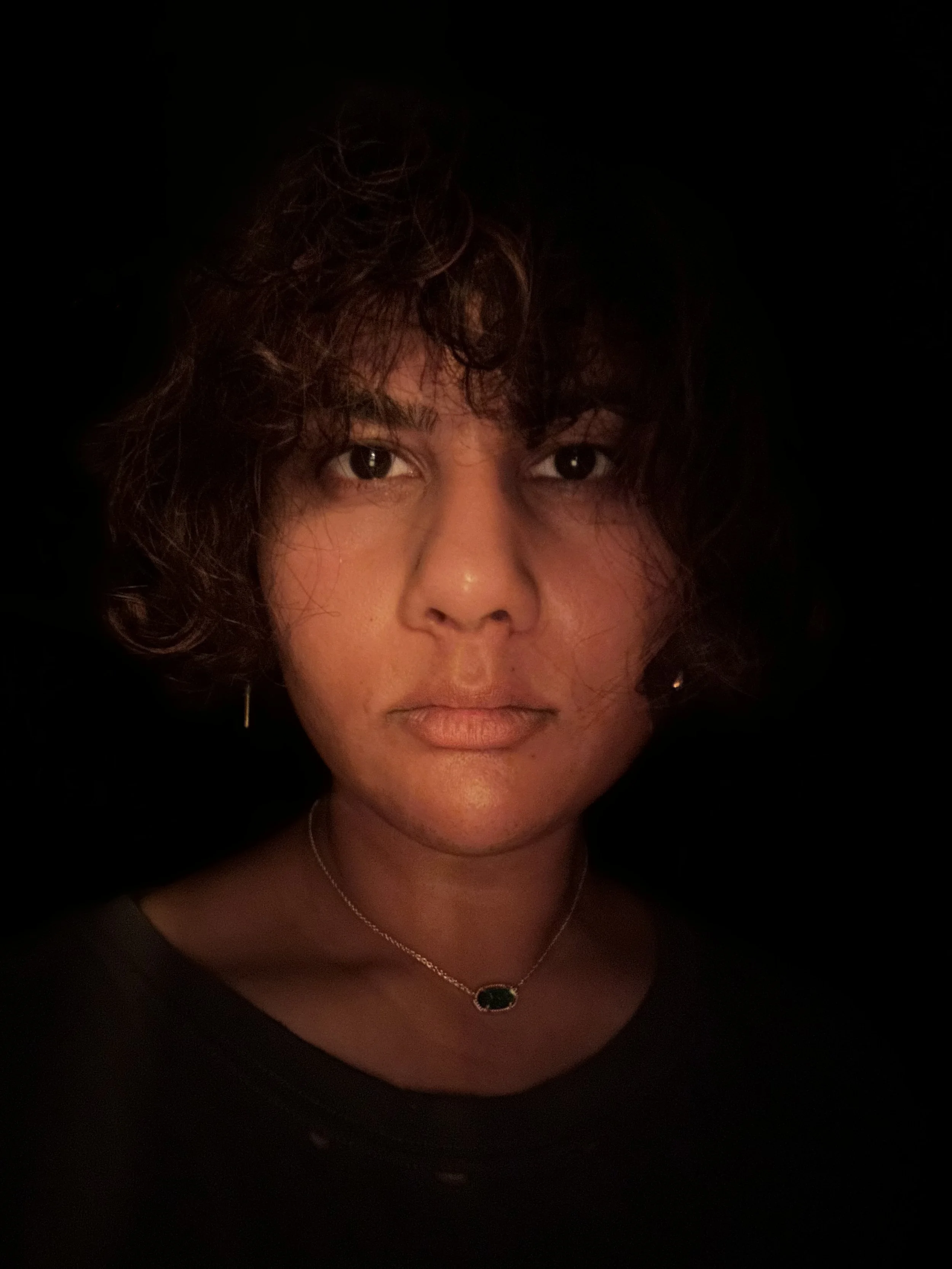
The more and more I matured, I realized that connection and genuine relationships with others wasn’t a luxury that I had to earn through first making good grades or having an impressive career; instead, it was something that was beyond a desire– it was a need. I had been taught that connection was something rooted in making yourself perceivable as being “cool” or desirable to others– again something that was based in how much you could impress others. In this context, I was only allowed to enjoy connections that weren’t primarily transactional if I had made myself worthy through the weight of my achievements and reputation. Now connection is a priority to me in and of itself, tied to my overarching value of love.
When I talk about love, I talk about it as– I just mentioned– a value. A philosophy and concept, rather than simply fleeting feelings of loving attachment exclusive to intimate relationships. Much of my conception of love and prioritization of it as a value– for both my intimate relationships and to the whole of humanity– is heavily inspired by All About Love by bell hooks.
None of this would have been possible if I hadn’t rebelled against my parents. If I didn’t listen to my heart, as cliche as that sounds.
Pursuing my heart’s desires and ultimately my soul’s cravings was my intention even when I made the dangerous mistakes I made when I spent thousands of dollars I did not have with my credit cards on coaches telling me they would help me manifest my dream life and connect me to my most authentic self. I had been so severed from myself growing up, and I had discovered more and more layers of me in college, especially with having community and supportive learning environments and intimate friendships I did not previously have the opportunity for throughout most of my years throughout grade school where I could truly be myself. It was freeing– and the withdrawals hit me deeply when I was stuck back at home where I felt stunted and stuck in that identity: the shy, infantilized and incompetent girl who was not worthy of speaking up for herself, and was not safe to without being deeply shamed and shunned. Whose exhibitions of confidence and genuine interests in her own interests and desired lifestyles, and especially with her own free thought where it didn’t perfectly align with her parents’, made her disrespectful, ungrateful and overall a bad person. Who had to hide in her room– those familiar four walls– that helped her hide from the scrutiny and potential unpredictable outbursts of her parents.
In my hometown, I learned that being quiet about who I was– or at the very least performing who I was at odds with my authentic self– would keep me safe. But I also learned that, especially after having the experiences of liberation in college that inevitably allowed me to connect to myself and grow into my own person as I discovered my creative and humanistic sides, that it would kill my will to have anything to work towards. Several years after toiling away for perfect grades I knew I wouldn’t always achieve, pulling all nighters regardless so that I could at least say that I tried my best and spent several hours on something, fueling my own loneliness believing that relationships and connection were fun, extra luxuries I did not deserve to have unless I was a perfect student, and making hustling over my health, impressing people over connecting with them the norm, I realize that I lacked passion and the “burning desire” my dad told me I needed to muster in order to succeed because I was ultimately pursuing a dream that was not only not my own, but also one that would make me miserable.
Somehow I had internalized that if I had just worked hard enough, sacrificed enough now, then later, (always later!), then I would finally have the fruits to reap from my hard work.
But how would that make any sense if I already hated the things– or at the very least was nonchalant towards them and didn’t feel connected to them myself– that were supposedly markers of success and happiness?
How could I truly, deep down in my mind and body, know and feel respectively, that I would truly be happy, at the very least content?
I was so dissociated from myself that one of the only ways that I knew how to experience or at least conceptualize joy was by living in the future, assuming that doing things that I hated but were “supposed” to do would allow me to create the kind of lifestyle I wanted and garner me the status that made me worthy in society’s eyes.
I heavily, without realizing it, perceived myself through the perceptions of others, and that it how I ultimately defined myself. First I prioritized the lenses of my parents, and then of religion and culture, and then of anyone and everyone that i was supposed to impress. I took part in specific extracurricular clubs less because I was genuinely looking forward to them and more because it would look impressive to colleges.
The end goals were always important, but my feelings– my experiences– weren’t.
When I went on trips with my family– my parents, sister and I, alongside family friends most of the time– I was expected to enjoy them but wasn’t actually given the discretion to do so. As a result, I performed– not through excessive praise and bellowings of how happy I supposedly was, but by limiting my expressions of anxiety, tiredness, confusion, desires to be connected with and heard lest I angered or annoyed those around me for being an inconvenience with my needs. So much of my behavior was driven by guilt and fear– guilt of not being the perfect, good daughter my parents wanted me to be who was appreciative of them and was considerate about their finite time on this earth which meant that I must spend as much time as possible with them, and the fear of not doing right by them through that guilt with the simultaneous fear of angering them or earning their grievances through my authentic self expressions– at the very least, being ignored (it was commonplace for me to have to repeat myself several times before my questions or comments were heard or acknowledged).
Throughout my life, it very often felt like my presence was expected, and appreciated; simultaneously, it felt like that presence of mine served as a comfort for others– for my parents, for my sister– where I was not allowed to have authentic experiences and feelings and needs of my own, and that having them when they inconvenienced their sense of control over me and my expression made me “bad” or “wrong”. In other words, I felt like I was “too much” for taking up space where I was exhibiting my own selfhood and not enmeshed with my family members and their experiences; ultimately, this made me feel not enough as I was made to feel like I was not good enough to be my own person– as if I was not worthy of it.
And I was painted as even more of an inconvenience when my feelings– especially deeper, inconvenient feelings– were involved. Unsurprisingly, this happened when I expressed discontent at being disrespected or stood up for myself, being told that I was being too sensitive or looking too deploy into things, or being gaslit, where I was told that traumatic events didn’t happen in the ways in which I remembered them to happen. But it also happened with my happiness or contentment– my parents sympathized with my anxiety in high school and college, yet at the same time they got anxious and upset with me for not being anxious, particularly when I was relaxed with myself for not getting a higher SAT score (I still got a pretty good score) or for not getting into super top notch colleges (I still got into other good ones), or for choosing to trust myself to figure out my career as opposed to what they expected of me. If I was at peace with myself or relaxed instead of stressing about academics and my futures most of the time, I was often treated like I was doing something wrong.
It was only a matter of time until my self trust became enveloped with the anxieties– and even moreso back then about a decade ago when I did not have psychological and sociological knowledge that I do know. I am really grateful that I am aware of what trauma is and how I have it and how my trauma impacts me, and that I understand how intergenerational trauma, subconscious beliefs and my nervous system impact my sense of self and ability to thrive in the world. In addition, very importantly, I am a lot more versed in how environments, and particularly your relationships with others, impact your health not just mentally, but physically as well. If you are constantly surrounded by people who are telling you that you are not worthy of taking up space or trusting yourself, it will be hard to root for yourself and believe in yourself even if you are doing your own due diligence at mindset work. My parents’ intentions were for me to be safe and successful– but ultimately, it was through their own perceptions, experiences and worldviews, including the limiting bubble of who they demanded I was supposed to be. Regardless of their intentions, the impacts their lack of confidence in me to follow my own voice and ensuring inconsistent support were ultimately harmful for me. While my parents had instilled in me that I was smart, capable and successful with lots of potential and that I would succeed in my dreams, at the same time, they said these in the context that I thought just like them and acted just as they wanted me to perform, and not in the context of me accessing my true self and living through my own experiences and desires instead of the ones projected onto me.
–
I tell my therapist that perhaps I need to validate myself more.
That I need to stop assuming that I am just forcing myself to be emotional or conjuring difficult things, fueling feelings that do not actually need to be there and weren’t there in the first place.
I need to stop gaslighting myself.
Particularly, I need to stop gaslighting myself through the same ways in which I was gaslit growing up so that I did not inconvenience people with the open, honest displays of my human experiences.
I had to pretend my feelings weren’t there, so I pushed them down and numbed them– I had adopted the shaming towards myself that I had received from others.
But the thing is that pushing your feelings down doesn’t make them go away. They stay repressed, not lost. And they come out in various ways.
For me, they came out in romantic experiences I had with emotionally unavailable men who expected me to be available for them; in one experience a man proclaimed that he was in a relationship with me and wanted to marry me because he loved me, but ultimately couldn’t commit to me so it wasn’t a “serious” relationship, And I let him string me on, unconsciously assuming that I was too much for wanting more, or that it was my responsibility to be there for him even though he wouldn’t do the same for me.
It was my job to understand someone else, but when it came to me, I was not worthy of the same consideration.
It was my job to be the bigger person– the emotional bearer, the excuser of the disturbed but never worthy of being held herself.
Five years later, a similar thing repeated. I caught feelings for a friend, to whom I had grown attached through the illusion of intimacy. Initially pursued as a friend with mixed signals, I felt desired, chosen. Special. It only became a matter of time until that accustomed pattern of being seen, but not heard came to play out. It was familiar territory for me to hold space and attention for this other person, and then to be kept at arms length when I requested the same. Somehow, his problems seemed more worthy of care, his heart of tenderness, than did mine. I gave it away as I craved it, unconsciously excusing my exercise of empathy where I overextended myself, assuming it was what made me good.
I wanted to be a good friend, and I want to still be a good friend through empathy.
Even in many of my friendships, I adopted the “cool girl” persona, feeling like having needs for honesty and support and desiring consistency from my friends made me “needy.” In turn, I also became this person. Thankfully, I’ve been evolving significantly with this.
But I am sick of entertaining this idea of being the “bigger person,” where I am obligated to shrink myself to let someone else be soothed. Where I prove my love for someone by neglecting my needs and ultimately the love I have for myself. Where I allow myself to be used as some self sacrificial virtue that makes me worthy of a moral status of that “goodness” where I must abandon myself to prove myself.
I hate the idea of there being virtue in me hiding, in not making myself known.
I hate this in my relationships– and I hate how this shows up in my creativity, art and intellectual expressions.
Or at least, I hate how it has been showing up lately through fear and shame.
I hate how this shows up in my expression of emotions– or lack thereof.
I don’t want to be someone who doesn’t feel.
Someone who reins in her excitement, doesn’t experience grief, someone who numbs.
I don’t want to numb myself for the convenience of others and lose out on the beauty of myself.
I don’t want to be someone who refuses to grieve– ultimately someone who refuses to love something or someone enough to be affected by losing them.
I want to be someone who cares and finds pride in that.
I dont’ want to be someone who wears a mask of nonchalance or subdued satisfaction when I want to jump up and down and let my smile come unabashedly when I’m excited about something important to me, out of fear that I’ll be perceived as cringe. Or more accurately, I don’t want to judge myself for being cringe for being happy, as if my authentic happiness is something wrong for me to allow.
As if allowing my authentic self is just wrong, and bad– as if I’m unworthy of it.
As if I’m unworthy of loving myself, and as if I’m unworthy of love itself.
Because true love isn’t about foregoing the love of yourself in order to make space for someone else– it’s about sourcing it within yourself, by looking beyond yourself. It’s both self-serving and altruistic, while being neither selfish nor self deprecating; even if sacrifices are made, they’re made in alignment to your values– to something bigger than yourself, where that sacrifice for someone else is done with your claim to worthiness in connection to those values.
–
I discovered somatic healing back in 2021– one of the few long-lasting beneficial things even during the chaos and probable psychosis I was experiencing that year.
One of the coaches I have more respect for compared to other coaches I’ve worked with had introduced me to it; it has been a gamechanger for me. The next few years to now, I would go onto understand the importance of the mind-body connection; trauma isn’t just something that your mind knows, your body’s memory holds onto it, too. It’s not enough to talk about your problems, and to understand that you are still worthy and safe despite them. You also must feel the things that you want to believe– and you must feel safe to believe those things. In my case, I believed that I was confident and had great ideas and had so much potentially, especially when it came to the things that I was passionate about: my creativity, my intellectualism, my sociological and psychological analysis of various human phenomena. But I didn’t feel safe to be confident– more specifically, I didn’t feel safe to be perceived as confident. Through my experiences growing up, and especially in those significantly formative years of my late teens and early twenties, I had learned that being confident in myself and trusting myself, especially openly through my actions where I pursued my dreams and spoke my mind where they were different from my parent’s expectations and different from their world views, was a source of punishment and rejection. Even if I believed in the value of what I– my authentic self, at least– my ideas and my values had, I learned that there would be consequences to openly believing in those ideas.
I had made a habit of journalizing affirmations upon affirmations to reinforce my confidence and worthiness; and while I’m sure that they helped to an extent, there was still a lot more I had to do with my body when it came to the actual feelings of the lack of safety I’ve felt, in addition to shame, loneliness, incompetence, rejection, lack of acceptance from my family and ultimately from myself, etc. With the help of that coach, I learned how to connect to the physical feelings of resistance I felt in my body and how to follow them to guide me back to myself.
Eventually, I got around to finally making a new YouTube Channel in 2024— one that I continue to post on currently, but still struggle to be as consistent with as I would like. I tried to find my voice, and ultimately myself, through making videos on social media— something that I became consistent in at one point, but found myself retreating from; the social media presence was taking a great deal of joy out of my creative process. The line between being and performing was becoming more and more confusing; I wanted my avatar online to be the real, in person me simply expressing herself and sharing her thoughts; and in many ways, this intention manifested with me being authentic. On the other hand, a separation of the online Samantha and the in-person, real life Samantha started to feel blurred— was the online me starting to replace primary, physical me— so much so that the online me was becoming the primary Samantha? The one that interacted with others online becoming more active than the real life me that craved to connect deeper with people in real life and form intimate relationships with them? As I will mention later, the book Doppelganger by Noami Klein helped me call more attention to this, of many, dualities of myself— the online avatar of me versus the real life, physical me.
–
Recently and following my last therapy session, I lay in bed, trying to connect to the tension inside of me ignited by anxiety, trying to engage with it and see where it would lead me. My body convulsed as it usually does when I somatically process things, but I noticed another significant factor that was keeping me stuck and stunted from release:
I was blocking my voice.
I was scared of being heard.
To be fair, I am currently staying in a hotel with fairly thin walls, so this is a valid concern. But I remembered to when I am scared of being heard– namely, even hearing myself without an external audience–
I am running from the fear of perceiving myself, and the unpleasant feelings and judgments coming up from that.
The phantom voices derived from harsh words and implied disappointments from my parents, rejections, societal standards in alignment with capitalism and dehumanization, shaming.
A doppelganger of myself that stands against my self worth, in some warped way telling me that I earn “goodness” through shrinking myself (thank you Naomi Klein for this concept! If you haven’t read Doppelganger by Naomi Klein, I just finished it and it should be required reading!). A version of myself birthed by these fears of truly seeing and hearing myself, in order to keep the thriving version of myself in check before she really gets a chance to.
I feel uncomfortable oftentimes reading my own writing, watching and editing my own videos, not being able to name the urge to rush the process of my perception, to judge and turn away from myself.
But alongside it I also feel a surprise and curiosity, wondering how I could be so articulate and well spoken when so much of the time I fear that I cannot make sense to other people, let alone put my ideas together in a coherent way that makes sense.
Shame gatekeeping me from myself is not a new concept to me– it’s something I’ve talked about over the past few years in different videos I’ve made online. I know I’m not the only one who struggles with this, and it’s important that more people understand that there is so much magic inside of them– so many great ideas, creative and intellectual potential, love to be given– inside of them beneath manifestations of shame that teach them that they don’t have anything to offer, and that it is not safe for them to access themselves– as was the case for me.
Validation is essential to unlock oneself– both from the self and others.
Back in those bleaker years of my life post college, my mistake was only relying on my validation. I did not know how to seek support, and often did not feel safe seeking it. I learned through experience that I would be the only one to vouch for and value my ideas; self validation is essential, it’s important it’s not the only source of validation you have. Having a supportive environment and supportive relationships go a long way. I’ve learned what a huge difference it makes when I’ve compared how I showed up for myself with its presence versus its absence. It’s important that you also enthusiastically and sincerely give your support to others.
Just as it is important to stop gatekeeping yourself from yourself, it is essential that you do not gatekeep yourself from the world. How many stories in the form of books and movies have changed your perspective on existence and on life itself? Wouldn’t it be sad if you never came across and became positively impacted by a beautiful story because the creator was overcome by shame in sharing it?
What are you holding back that could inspire purpose and meaning in others, whether it be on a small or large scale?
–
Feeling inspires creation, whether intellectual and artistic, and it creates the foundation of purpose, meaning and motivation behind what is made. Without greater values to something bigger than yourself, it is hard to pursue something. Making– whether creative or intellectual–seems meaningless when the connection to your humanity is severed.
When you feel worthless, it is hard to make.
Because you don’t feel worthy of the values that drive you towards it in the first place.
Let alone feeling worthy to make, you struggle to feel worthy to take up space, to be heard and seen. You feel like hiding; or even if you are creating and putting yourself out there, there is still parts of you that are hiding, one foot out into the world and the other hiding much of your body behind the shadows. As if you will be too much for being showing more of yourself, due to you not feeling enough.
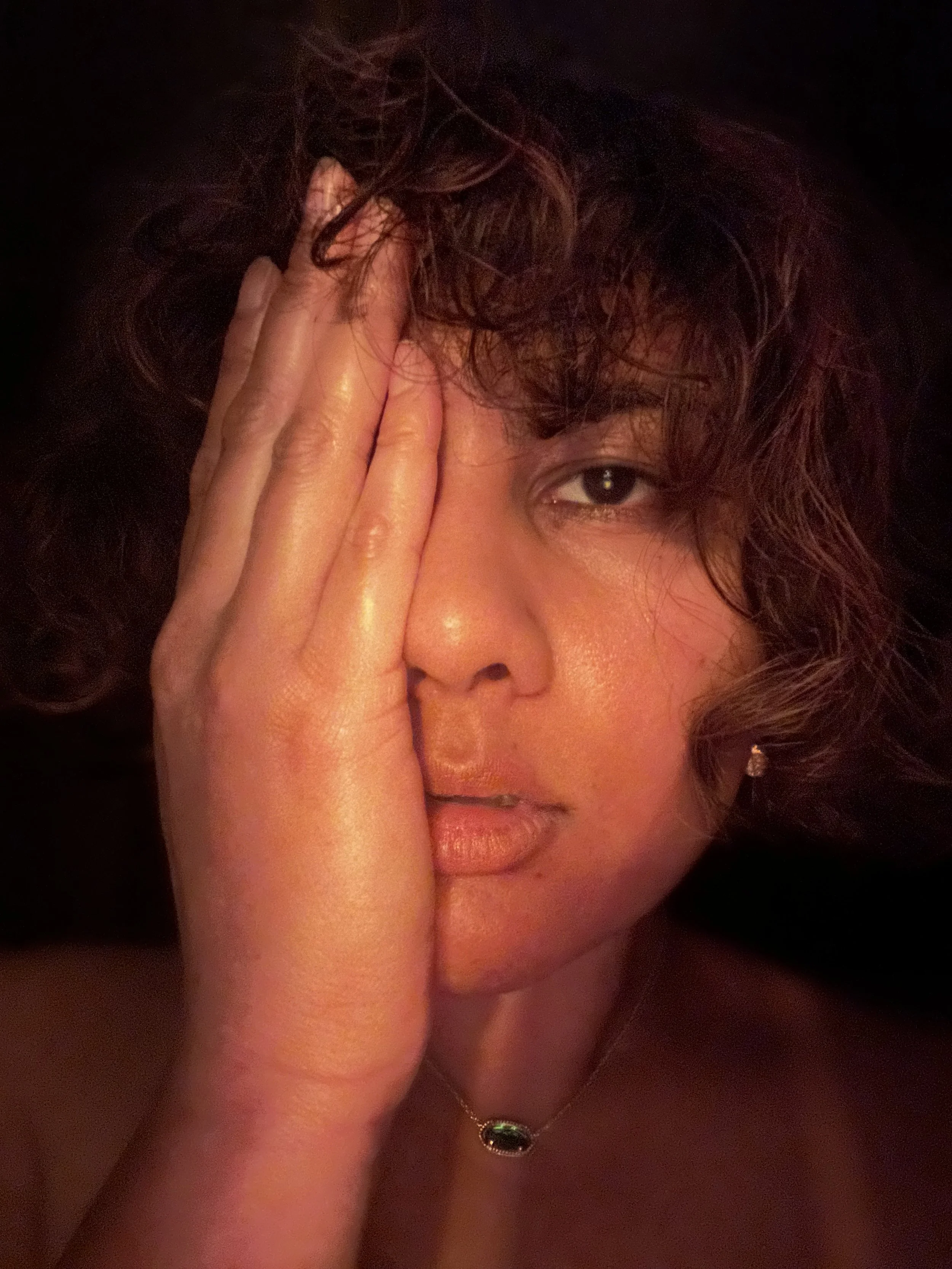
Ultimately, you feel like the birthings of your soul are not valuable, because you don’t believe that your soul itself– you, at your core essence– are valuable.
You feel like the manifestations of you– let alone the existence of yourself– it not worth much, if anything.
Or at the very least, you don’t feel safe to acknowledge your value because you were taught that you had to, funnily enough, reject yourself in order to be accepted by others.
Disconnection is a painful thing, whether if it’s others rejecting you or whether it’s you rejecting yourself.
But there is a beauty in relentlessly accepting yourself and letting that guide you to being found who also accept you for you, too.
And it’s even better when that acceptance evolves into celebration– of all of your parts, your multifaceted humanity. Where you get to be, exist, instead of perform.
There is beauty in being vulnerable, and therefore relatable–
And not being relatable for the sake of it in and of itself, but for your humanity– so called perfections and not.
The confident and self assured parts of myself with continue to mingle with the anxious, self doubting parts, as will the hopeful parts with the cynical parts; at the end of the day, I will commit myself to something bigger, ridden with acceptance, connection and courage, and let that be my guiding force whether I feel ugly or beautiful in my essence, significant or worthless:
Love.
–
In my next therapy session after the aforementioned one in this essay, my therapist helped me practice deep breathing, once again.
I forgot about once upon a time where when I was a kid and I knew the joy of creating– expressing- just for myself.
I used to love making websites. I didn’t need social media validation, with social media not existing like it does today, and I didn’t feel like I needed much validation at all for those– though I did find great joy in sharing my digital creations with some friends and family.
That’s how I want my creativity and self expression to be now.
I want to feel safe and worthy to take up space.
My therapist shows me how to affirm this with my breathing, telling me to repeat my worthiness of taking up space as I do the exercises daily before my next session.
I want to enjoy and be present with taking up space– I want to lose myself in a flow, in deep intimacy with my ideas, where I’m not thinking about whether other people will see it or not, and how it will be perceived. I want to know that by extension of my soul, my ideas matter and that they are valuable and worthy of taking up space.
I want to be connected to myself, to my soul, to my values and let that be enough– and then I want to connect with others and bask in the validation of them, through the joy of sharing myself and intimate ideas beyond myself that inspire more connection among people.
That in turn inspires them to make, connect, expand themselves through self knowing where they are inspired by how their soul mingles with those of others; I want them, as well as myself, to understand that we need to venture within ourselves to see others like the way we want them to see us.
We have to do a dance of creating and consuming art, using our own soul as a compass to understand with whom and how we want to connect.
And we need to feel safe to find pleasure in taking up space.
Like confidence— it’s not about just knowing that we are confident or worthy. We have to feel it, too, and we have to feel safe to feel our confidence, self worth and the pleasure that come with them.
We have to feel like we matter– and that the ideas and art birthed from us do, too.
The thing is, I do have so many great ideas inside of me, vibrating to be let out, like how colors under a paintbrush ache to be drawn into beautiful images conveying a variety of emotions.
But it’s the soul at the center that makes those images beautiful and meaningful in the first place.
And it’s the souls of others who will connect to that artwork that will expand the impact of that beauty, whether that artwork be an intellectual or creative piece– or a mix of both.
At the end of the day, it’s not only about me as an individual, and it’s not about the external validation I get from others–
It’s again about the love conveyed behind what we create, think, connect and live.
And love is within ourselves, among ourselves, and beyond ourselves.
No matter how much we believe in ourselves or don’t, that love– its infinite value– is always there.
It is our job to convince ourselves that we are worthy of it; or, at the very least, that we have a mission of exuding it.
