What if creating for yourself is enough?
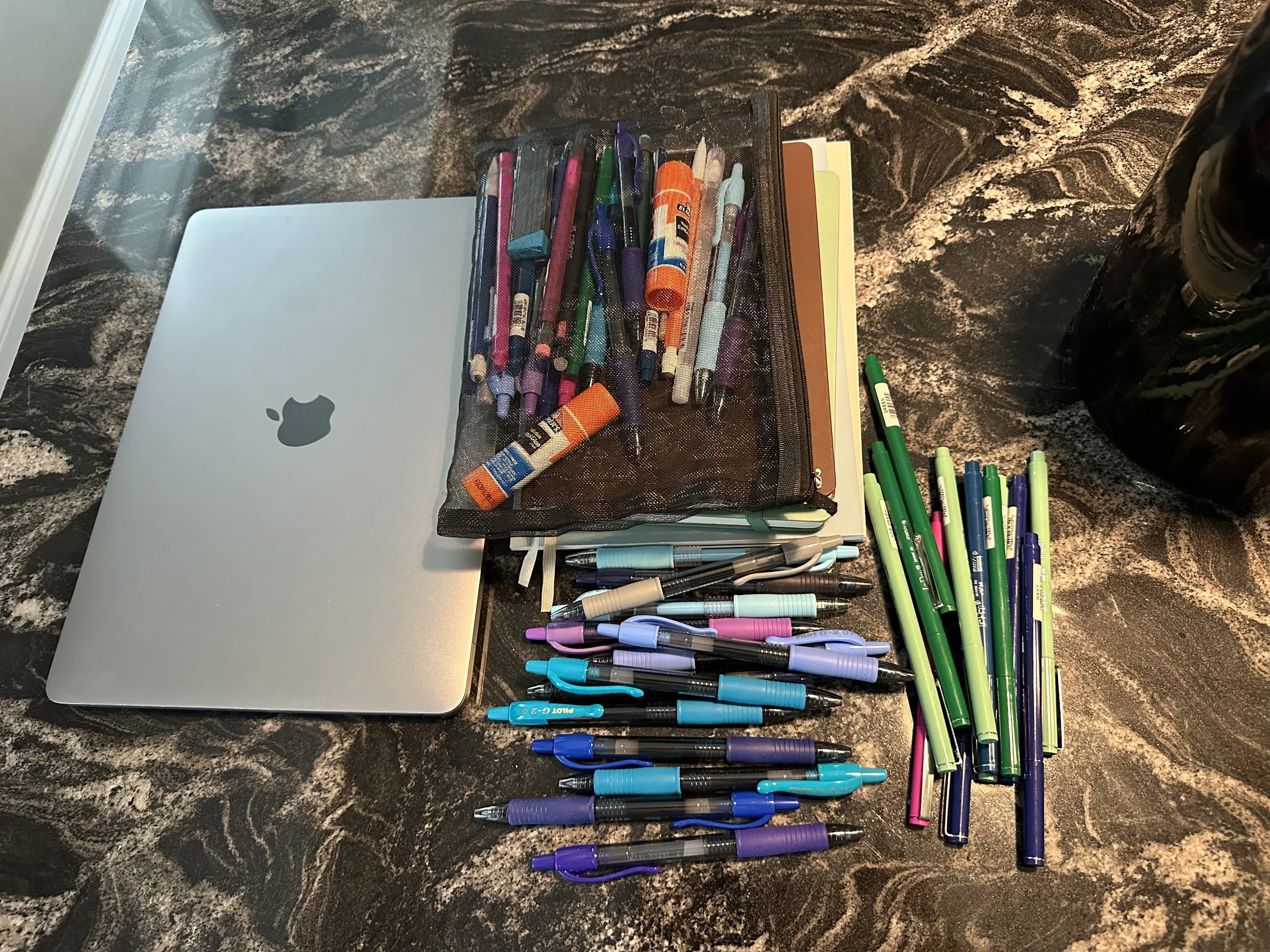
Lately, I’ve been really great at journaling. I ease myself into a delicious, almost spiritually satisfying flow that satisfies my soul while leaving it craving for more. I love the way that my favorite pens glide across the page, in all capital letters, making my handwriting look visually delectable a lot more than if I were to write in the “grammatically correct” way using a mix of capitals and lower cases. Unconsciously, I feel free to express myself, not feeling confined by fears of whether or not my writing will make sense to someone else who may potentially read it. On the contrary, when it comes to writing personal essays that I type out to potentially put in my website and then to potentially share on Substack where it is possible that someone may find it and judge it, where I’m “supposed” to follow the rules so that my work is, my mind, is understandable and decipherable to others, I often start to feel restricted and frustrated. With journaling, I flow freely because that self-consciousness of being digestible by others is not a concern. My mind and body commune to free my soul into flow, unconcerned about being perceived and approved by other people. Operating from my soul in this free flow, I don’t give a damn about receiving external validation. I know and feel that I am enough– that my ideas are enough– that my soul is enough because that is what I am unabashedly manifesting through my pens and my hand on the pages in front of me. There is not question of whether they will be good enough, the restrictions of external conditionings imposing rules and orders of language being at all time lows– even though they are inevitably there so that I can understand myself and so that I can communicate to myself on these pages, the structure feels freeing in which it holds my ideas while enthusiastically negotiating with my free form, even if that form is formless, shapeless at times. In order words, the structure molds and supports my varying expressions.
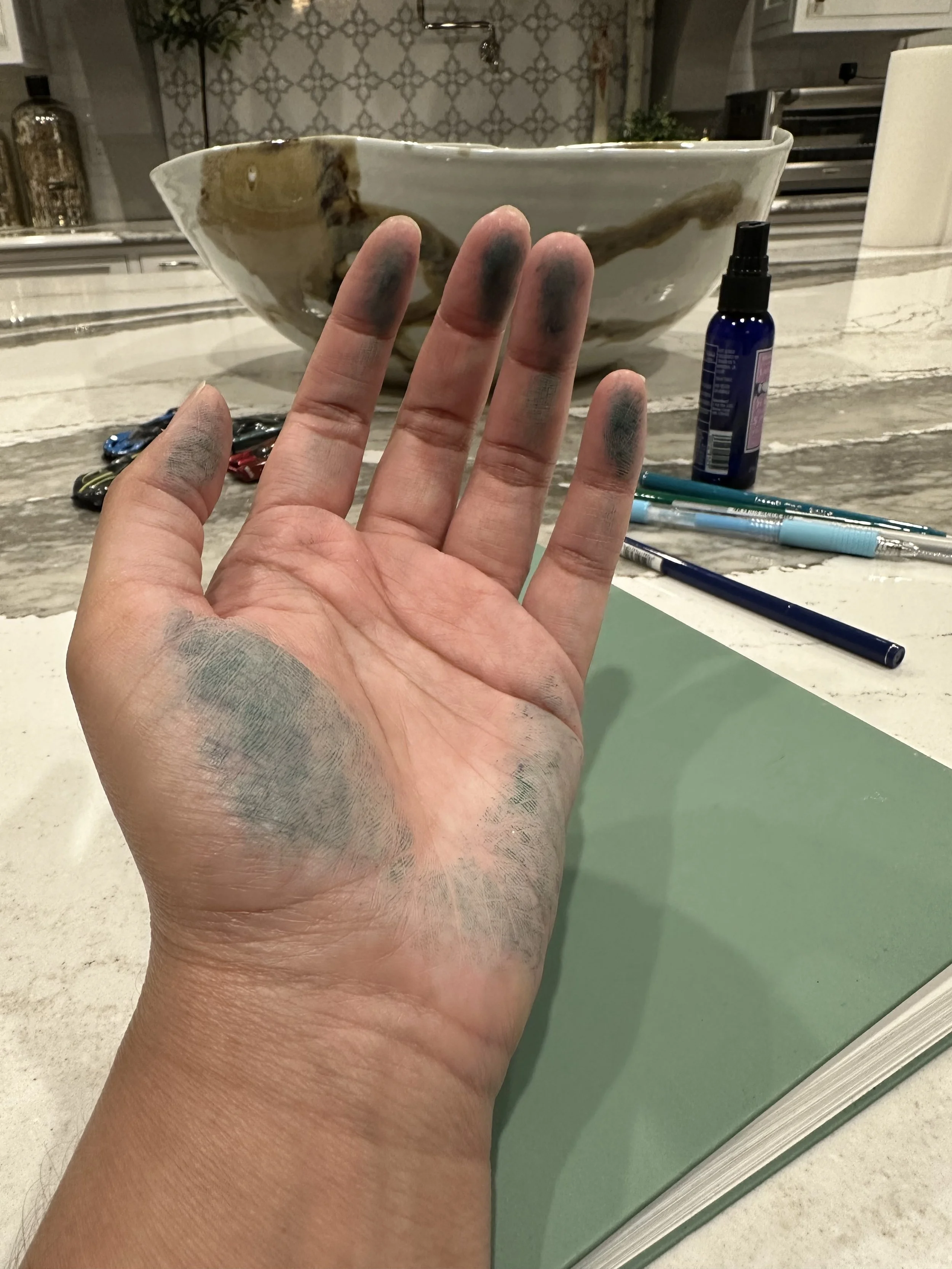
And what if this is enough?
What if I can bring this to the writing that I do intend to be findable and perceivable by others?
What if I can bring this private confidence into a potentially public realm?
After all, when I think about famous writers from the past who didn’t follow the rules– they got along with their self expression and communication with ideas– not just to resonate with their individual selves, but also to gain themselves fame, whether they were alive to witness that or not. Their connection to themselves was enough to resonate with other people, often in turn helping these audiences connect to themselves– by finding themselves in the pieces of ideas, stories, shared by the original writers in question.
And hasn’t that happened for me in various rule breakers– in romance authors who challenged norms of settling? In fantasy authors who challenged the idea that writing whimsical, magic laden stories are simply childlike and infantilizing, a waste of time? In feminist researchers, teachers, writers, artists who challenged patriarchal convention, despite being ridiculed for being “angry women”?
In writers, story book authors, poets who rejected conventional syntax and grammatical rules while still making themselves understood by abiding to structures of communication enough, with their simultaneous rebellions of the structures, being conscious and intentional for the sake of authentic, thoughtful self expression where following the rules strictly would take away the integrity of their writing and conveying of ideas?
That is to also say that not all rule breaking is in artistic integrity– some of it does come from laziness and thoughtlessness, in belittling literary art akin to belittling style to fast fashion.
Going back to writers of the past, with the specific examples of fictional story writing and philosophical writings– and in addition to mention religious texts like the Bible and Qur’an in their various translations across various languages, and not to mention the varying rules across countless languages in the world– there is no universal, objective structural articulation of ideas through words that gets to deem superiority. For the writers in particular, their words continue to be reproduced in their original writing for popular consumption even though they defy modern rules of structure in writing for the specific language. Funnily enough, students who write in alignment to these writers are often marked down in grading by teachers and institutions for grammatical or syntax errors as being inherently “wrong”– despite these same educators and schools often assigning works of writing by these very writers. I understand when teachers assign expected dialects or styles of modern writing to be followed, but to position a single style of expression to be the “correct” one can be discouraging and limiting for students and current and future writers– and ironic when writing of these same styles are assigned.
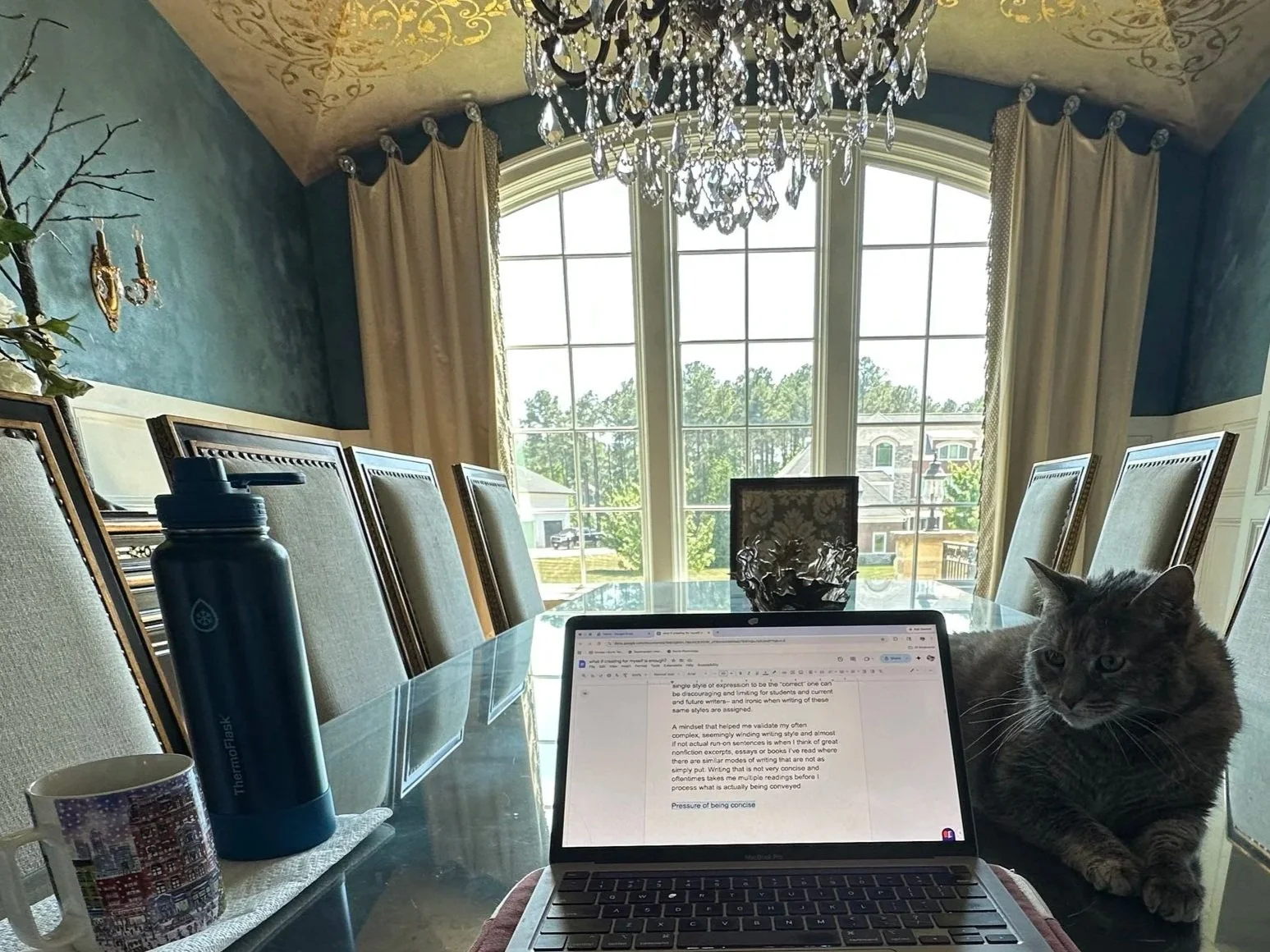
A mindset that helped me validate my often complex, seemingly winding writing style and almost if not actual run-on sentences is when I think of great nonfiction excerpts, essays or books I’ve read where there are similar modes of writing that are not as simply put. Writing that is not very concise and oftentimes takes me multiple readings before I process what is actually being conveyed. When I think of my writing style– the kind that comes to me the most naturally and effortlessly– the most authentically in tune with my self expression– it is rather longer winded. I didn’t mind this when I would be journaling, but would feel self conscious about it when writing via typing for personal essays and such as I’d mentioned where other people might read it. I wonder, what if I’m being too much? What if I’m seeming pretentious through seeming like a complex communicator? I remember one time in my eleventh grade AP English class, my teacher was reading people’s essay out loud in front of the class while keeping the specific owners of the assignment anonymous. She read mine and repeated “the work reflects agreement,” doing a double take, repeating where “reflects agreement” and saying “really?” to the class before moving on to the next essay to critique. At the time, I had set my ego aside and wondered about what was so wrong about that– and I figured I must have done something grammatically erroneous. But more than ten years later now as an adult, I disagree with my younger self– and not to mention, I disagree with my teacher at that time too. And somewhere over the past couple of years, I had come across an Instagram Reel critiquing people for writing and speaking in similar ways that I do, calling us pretentious or trying too hard– when in reality, it’s easier for me to express myself through words in a more complex way than it is to be more concise.
This isn’t to say that speaking or writing more complexly means that I’m smarter or better than writers who are more concise– it’s a really great skill that I want to get better at– I especially want to write better succinctly for when I write fictional stories. I don’t imagine that I would particularly enjoy it if my style of writing for my nonfiction works such as this one would be transferred over to my descriptions in my fictional stories– but at the same time, who knows? Maybe some people would enjoy that, even if I as a reader would not. People who are able to get the point across in fewer words and clearer ways than I can in such fewer ways in fiction or nonfiction words than I do are impressive and admirable to me, and I would like to learn from them.
One such nonfiction writer who has inspired me to indulge in my natural, longer winded, complex writing style is Naomi Klein– she is the author of many nonfiction works about capitalism, climate change and sociology, and the only work I have read by her so far is Doppelganger. It is one of the best nonfiction books I have ever read, and one of the most important intellectual works overall that I have read. It is somewhere around 400 pages, and took me quite a long time to get through. This was one of those works as I’ve mentioned where I had to often read the same sentence or passage multiple times to understand it as deeply as I wanted to; it was commonplace for me to take about an hour to read just 10 pages. I initially started it in 2024, got about 75 pages in and then unintentionally put it down as I got distracted with other things in life. But then I picked it up again in July of 2025, started over reading it because I needed to refresh my memory– and it wasn’t until January of this year, 2026, that I finally finished it. And I’m glad that I didn’t rush myself– I wanted to sit with what I read, and retain the information and engage with it, applying my own critical thinking.
With that being said, Naomi Klein’s writing style, in its complexity and perhaps rule breaking compared to the “correct” and concise styles of writing expected from me in grade school and certain college classes depending on if the professors did not make her writing “wrong”-- it just made it different. It’s so interesting again to think of how not only in high school, but in college classes the style of writing such as Klein’s or other complex authors whose readings are often assigned are rightfully lauded for their teachings and ideas and idea stimulations among students and lifelong learners, but students are often penalized for following similar writing styles to those works that are assigned and presented as exemplary pieces of writing to be learned from in the first place.
Thinking about Naomi Klein’s writing style helped me alleviate the pressure of being concise or easily digestible in being understood in my own writing– a pressure and expectation I am still unlearning and practicing not succumbing to. Another great example is Dr. Clarissa Pinkole Estes, who wrote the gorgeous work, Women Who Run With the Wolves. This book uses several myths, legends and other stories to depict woman archetypes in relation to journeys of authentic self discovery in relation to creativity and self expression, and contains analyses of these stories following their descriptions. It is rather lengthy– and that is not a bad thing. The author’s analyses are also often complex, and like Doppelganger, this book took me quite some time to read and required me rereading many sentences multiple times to understand what was being said and to contribute my own mindful engagement with it. Admittedly, this one took me even longer to read than Doppelganger– I started it towards the beginning quarter of 2023, and actually just finished it rather recently in the year of 2026– either towards the end of April or beginning of May. Unlike Doppelganger, I didn’t start it over after having putting it down after a long period of time– I picked up right where I left off after every break, because my relationship with this text and the purpose it served me (more explicitly towards my creativity even if it went to other parts of my life regarding self expression and living authentically) from different was different from the purpose that Doppelganger served me (to contribute more explicitly to my sociological and psychological understandings of the world and my relationship to the global ecosystem of it as an individual, even if its influence on me spread into other aspects of my life as well) and so I needed to process and retain them differently. Again, I’m glad I took my time with this– and I’m glad I did. Whereas Doppelgagner was a more practical text that indirectly affected my spiritual sense of self and I needed better intellectual retention of it primarily compared to unconscious connections of it spiritually, Women Who Run With the Wolves served as more a primarily spiritual text directly that affected my intellectual thought and connections secondarily. Doppelganger was more similar to something I would read for a college class, and Women Who Run With the Wolves was something I may have read for a college class and for spiritual fulfillment and spiritual self-intimacy, something to keep at my bedside similar to how religious people might keep a Qur’an or Bible next to their bedside (though admittedly, I did need a coffee shop setting to help me retain my focus as much as I could to actually get through these books– I do struggle to read nonfiction in bed and prefer reading a lighter hearted romantic book before falling asleep).
When reading and editing my own writing, there is very often this resistance or even at times fear of it– as if I’m confronting pieces of my own imperfection or because I know that my perfectionism may make my writing more extensive than it originally was. This further leads me to wonder, am I doing too much? andconsequently, am I being too much? There is this feeling of annoyance that regularly comes up when I think about perceiving me expressing myself. But then I think about these authors who I love, admire, look up to and am deeply moved and inspired by– there are times that I get annoyed by their writings too. This is not because there is something wrong with them and their writing styles– I’m realizing that it’s precisely because their writings hold value– depths of understandings and nuance– that make my processing of them tedious, resulting in annoyance– often an impatience– to put the puzzle pieces of their messages together in my mind, combining them with what I personally know to make connections for further thought and learning. This is akin to how we can get tired or even annoyed by things that we finding deep meaning and appreciation in; this often means that we are pursuing these things right. For example, I can love going on long runs but also look forward to a specific run being over as I’m pacing myself, forcing myself to not give up as I’m battling my own fatigue. And in reading challenging books, doing something that makes me uncomfortable but are important to me as well– I can value those things enough to make time for them, but I can also get fatigued by and sick of pursuing those things and even need breaks from those things at times. That doesn’t mean that I am necessarily giving up on those things.
Me taking my time on this– while not procrastinating on it too much– is also an exercise and testament to me prioritizing the actual making of this piece over the finalization of production of this piece. In other words, I am focusing on the creation over the completion. This is akin to that saying “it’s about the journey, not the destination.” It’s not that the destination isn’t important– it’s that the whole purpose of the destination is the meaning that the journey itself gives. It’s like how you don’t read a book simply to get to the end and to brag that you’ve finished it just to have the status without the integrity of engagement. Or how you don’t just live to say you’ve lived a great life on your deathbed when it wasn’t meaningful to you even if it was impressive to others– or that you shouldn’t.
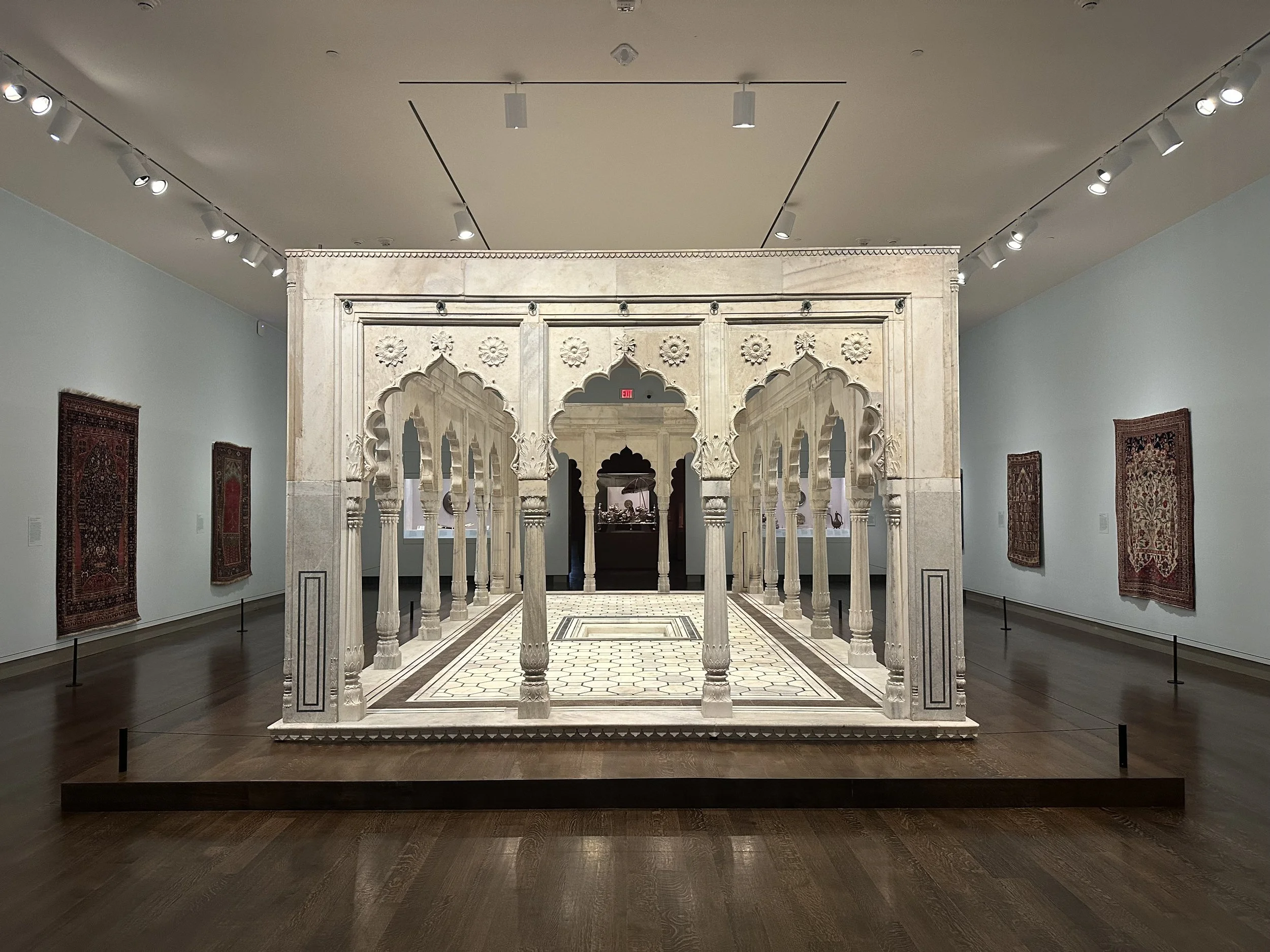
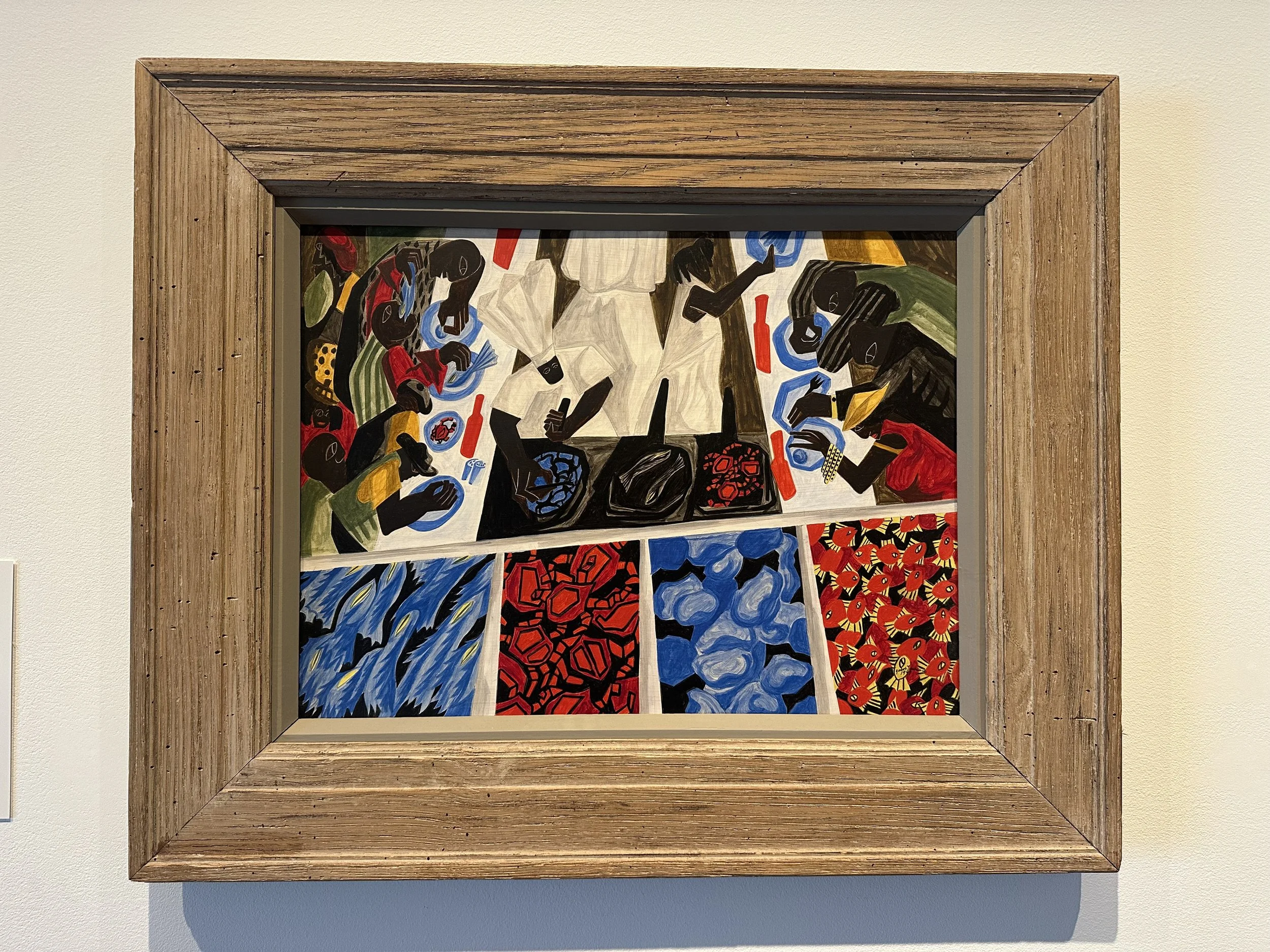
This is also reminding me of a very recent trip I took to the Virginia Museum of Fine Arts towards the beginning of me writing this essay. I saw so many different artworks– paintings, rugs, sculptures, armor, jewelry, furniture, architecture and more from various regions, cultures, peoples and across time periods. I couldn’t help but marvel at how much time, energy, focus, patience and self-belief that these artists had poured into these creations. It feels almost impossible to me. For example, there was this incredibly large painting, its length taking up most of the large wall of the room I was in– perhaps 50 spanning feet, and 25 feet in width if I am estimating– of immaculately painted flowers of various hues on a vase. It is baffling to me on an existential level that us humans have potential for such incredible making. And it makes me feel restless, sad and even in awe that we are severed from the prioritization of these things, our potentials being suppressed and molded to fit capitalistic demands for survival, often lost to computer screens and phone screens, continuous work emails and dopamine sucking social media posts.
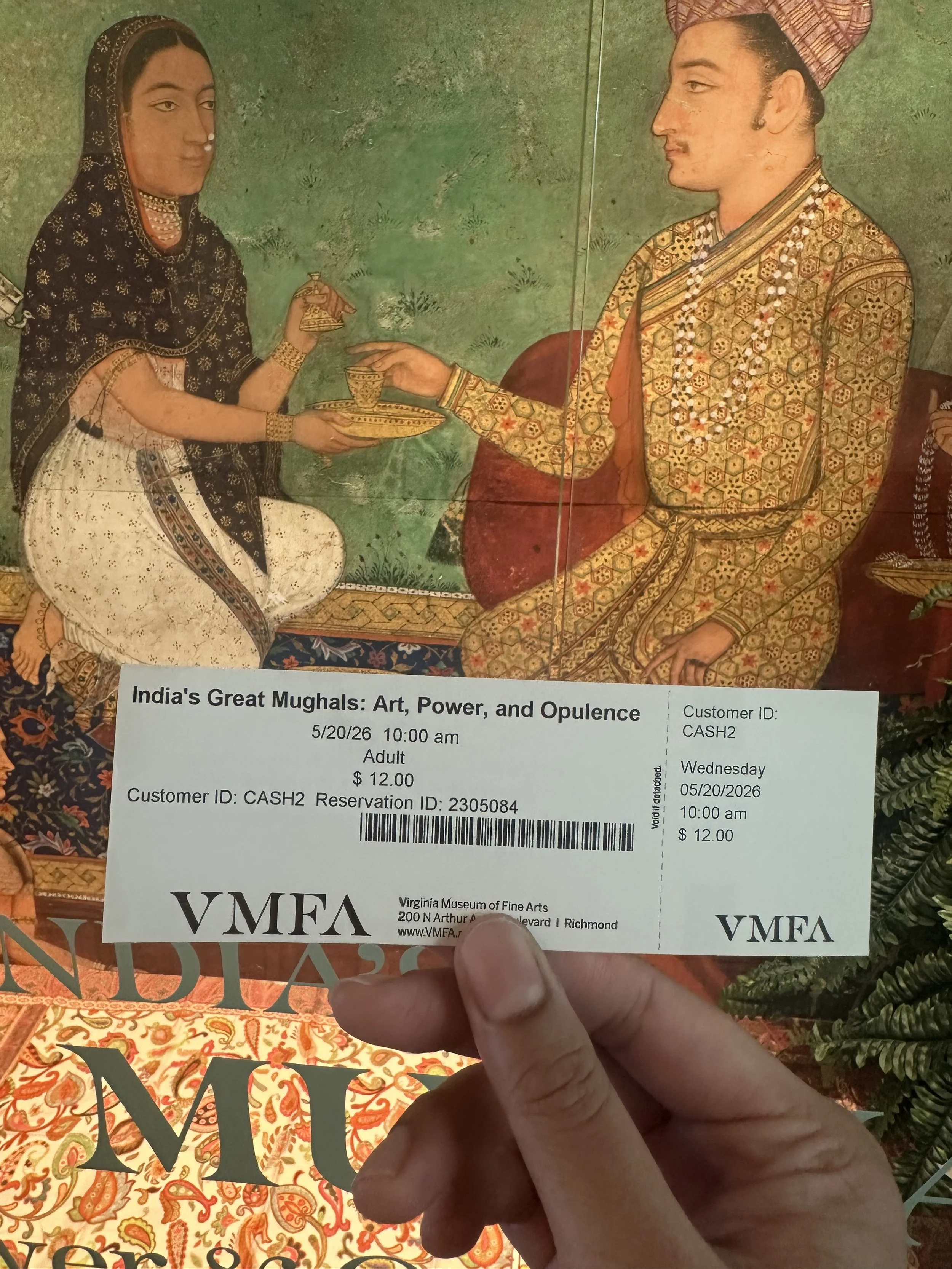
For this essay, it’s taking me a couple of months to finish writing it, let alone editing it– this isn’t because I’ve been working on it everyday. In fact, I have more days that I haven’t worked on this essay more than I have– but the important thing is that I still come back to it. I don’t rush myself to finish it, just as I don’t avoid or give up on finishing it. I’m really trying to avoid this pressure of pumping out quantity over quality that is to be borne out of my presence and thoughtfulness to this writing piece. Quality borne out of my integrity, my intimacy with my writing, my words and expression, to be savored rather than my self expression being a means of my ego’s hunger for external validation and for proving myself to be productive enough under capitalistic society’s measures.
I want to create where I’m not trying to prove myself– where I am simply being. Where my thought process and connected emotions are a result of my pursuit of truth and passion for learning about myself and the world, engaging with existence, rather than a means of trying to show others that I have cool things to say. It’s about the depth of my values and how they are revealed in what I have to say than it is about me seeking external approval– it’s about being so rooted in these values that connection is sought rather than impressing. Where in getting external validation, it’s not about feeling like I’m good enough because others approve of me, but it’s more about feel the warmth of connection in not being alone– where there is true belonging of others with like minds, hearts and souls.
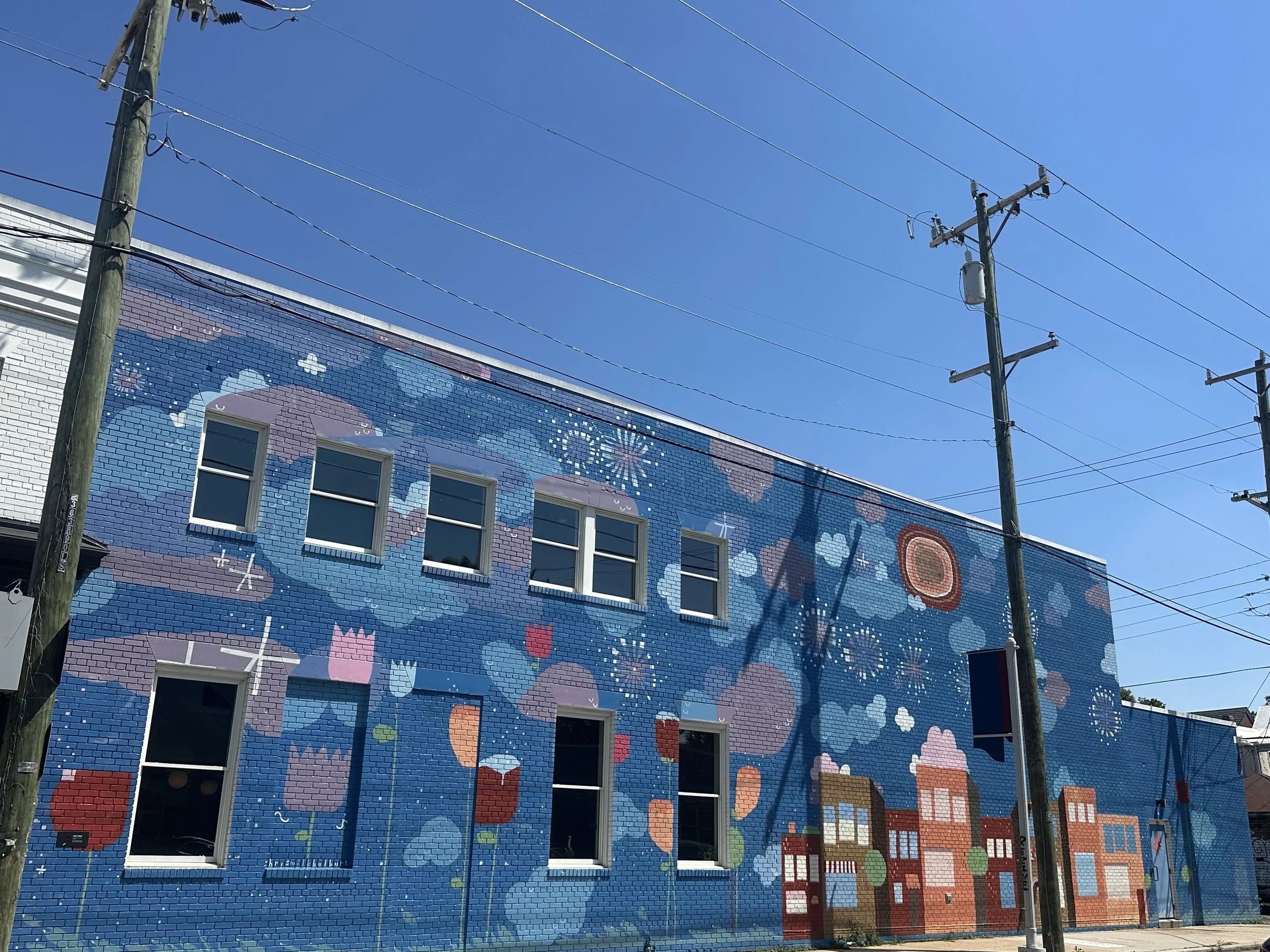
Soon after going to this museum, I went to explore Cary Street in downtown Richmond– one of my favorite parts of the city. It has several local restaurants and shops. I walked the familiar streets, passing various local shops and restaurants. I stepped into Shelf Life, a local bookstore with new and used books, and a bookstore mascot cat (who I did not see this time around, unfortunately). As I walked, I appreciate the art of an artist selling his work at a table in front of a shop, and I explored some clothing stores– the thing is, most of these art, whether it be fashion, bags or the art from the artist were not my preferred “flavor” of art, but I still appreciated and savored them. Even if you or I wouldn’t hang a specific piece of art on our walls because it doesn’t fit our taste, we could still give respect to the artist and appreciate the talent and creativity behind the art itself. You can appreciate other people’s art for its quality, validating its importance and through being awe-inspired through the creativity and skill exuding through them while also not preferring that art for yourself.We can not prefer something while not assuming that it is bad because it doesn’t align with our subjective preferences. In that same way, someone not liking your specific art doesn’t mean that it is objectively valueless or that it won’t be preferred by someone else. That doesn’t mean that the art isn’t important or special in its own right. It also doesn’t mean that your taste and preferences are the only ones that matter. Whether the art or forms of creative expression be paintings, hand bags, fashion pieces like clothing, makeup, artisan dishes, sculptures, architecture, etc, just because someone else doesn’t prefer your art as the audience doesn’t mean that your art isn’t valuable. And conversely, just because you don’t prefer a specific artist’s style doesn’t mean that you can’t appreciate the art itself or that their art isn’t important.
The point of creating for yourself and rebelling against rules in integrity of your artistry and expression isn’t about being thoughtless, and it isn’t about shunning any possible connection with others at all. It’s about being, again, in integrity to your conscious expression where you are in touch with yourself– with your SOUL– and so when you do make your ideas and work discoverable to others, the ones whose souls resonate with your own, who were derived from similar reservoirs of “God”, or Divinely curated existence, can find pieces of themselves in you in ways that are genuine, rather than performative. When you convey your desires through your art, whether it be writing or something else, you are igniting awareness within the souls of other people through similar recognitions of human experiences, values, longings. Even though you did your makings from a self-serving place, your expressions ultimately ended up being a source of service for others by reconnecting them to their own souls.
Of course, it is important that your values of confidence and humility are expressed in intertwinement upon which they mutually depend upon each other for authenticity. Where you understand that you are miraculous and special just because your soul is within you and because you have the ability to manifest it through you, and where you understand that you are also not exceptional in that everyone else is also magical with souls inside of them that they do and can potentially manifest. You understand that by sharing your work, you aren’t trying to outdo others– and in you making your art, in you indulging in your creativity, you aren’t trying to prove any superiority. You are again trying to exist, and manifest something beautiful, intentional and effortful through the shamelessness of your authenticity. You are embracing your humanness, through the connection of your soul.
You are essentially un-gatekeeping yourself from yourself– you are releasing shame around paradoxically shame itself, from guilt, from feelings of un-enoughness; by acknowledging the more vulnerable parts of yourself and letting them be seen and alchemized through expression and making, knowing that your true self is enough. Even in dealing with the feelings of un-enoughness, you are doing so with the lens of being enough, knowing that all of your parts, convenient and inconvenient, pleasant and less pleasant, deserve to be acknowledged and seen because they ultimately guide you back to your soul. Your anger and sadness inform you of injustice towards yourself and others, or of your own shortcomings that can be fixed. Pleasant and unpleasant feelings are both valuable, and are informants on how you’ve distanced yourself from your authenticity— from your soul. In other words, wanting to deal with the feelings of un-enoughness come from the knowing that you are enough, and that you are ultimately being gatekept from yourself– either by guilt, which has to do with your behavior and can be fixed, or by shame, which has to do with perceiving yourself– your inherent identity in its mere existence as “bad” and unfixable.
For the feelings of pleasure where they are in alignment to feelings of purpose and meaning beyond your individual self at any given moment, even when things feel “bad” or unpleasant, you know that just because something hurts doesn’t mean that you’re doing it wrong. Even if you have trouble feeling that you’re not doing it wrong, cognitively you know– in your soul, you know– and so you keep working hard until your feelings integrate with what you know.
With humble confidence and confident humility, you understand that there is less of a distance between you and your creativity– your artistry, your potential whether it be creative, intellectual, spiritual or others or a mix of many things– and you know that because you know of your soul, and you cherish your humanness and the journey of your humanness in recognizing it more and more, deeper and deeper, increasing your intimacy with your soul– increasing your ultimate intimacy with yourself through your connection to something so much far beyond your individual self– while this something is so fundamentally integral to your individual self.
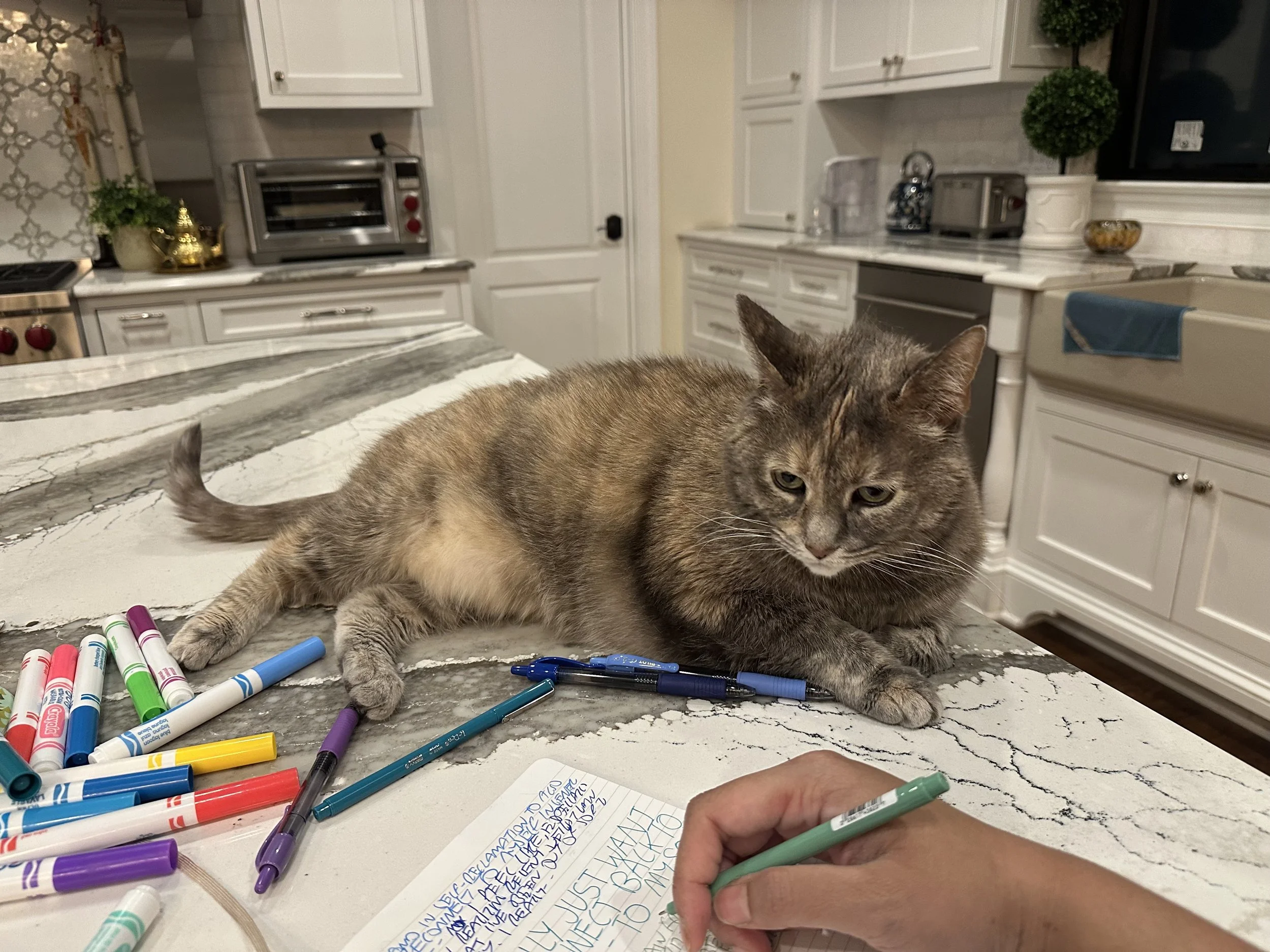
I’ve struggled with feeling jealous towards other people’s creativity and artistry, and intellectualism and other self expressive gifts– I’ve been jealous in past and recent of other people’s writings and videos. Overall, I’ve been especially jealous of their integrity to their expressions. But the more I get in touch with my own soul, the less I gatekeeping myself from it, the less I gatekeep myself from myself, the more that jealousy serves as inspiration. As possibility. Where I am encouraged to increase my self intimacy so that the creative, artistic, intellectual and spiritual identities within me, derived from my soul, are a natural occurrence of my integrity, my commitment, my focus, my energy prioritized to my own crafts– to my own rich inner world and its manifestations.
It’s about committing to my soul, through the pleasure and the pain. The ecstasy of flow state making and expressing and the shame and everything in between. In being intimate with myself, with my life, to my experience outside of my focused creative minutes and hours through genuine presence– a presence that goes beyond commodification of my life and myself in the social media eras that demand I do such. Where I am more attuned to my inner world than I am to external perceptions and approvals or disapprovals of others.
Yet, I still want to connect with others. I still want to be known as a creative, artistic, intellectual, spiritual person authentic to myself– authentic to my soul. But I don’t want to rely on that external perception to enjoy the reality of these being parts of my identity. I want to feel pleasure in my own presence, where I indulge in myself– where I again, indulge in my soul and cherish and appreciate and be and stay awed in my own existence, through spiritual self intimacy– with creativity being one such medium of it. I want to feel the pleasure of connection to people who are on similar or same wavelengths as me– I want to experience that warmth of community and connection through authenticity, rather than an illusion of connection in community that requires self rejection and soul invisibility in order for me or my work to be accepted. But I don’t necessarily want to experience community all the time, or with every single person or audience member who happens to like my work on deeper levels, even if I still enjoy the shared intimacy of human relatability that still maintains avoidance of a parasocial relationship akin to social media influencers and their audience.
In other words, I have self serving goals in my creative and intellectual and other expressions that are more personally intimate on a relationship level with potential perceivers– for example, I want a future partner to love seeing and perceiving me through my expressions– and there are less intimate relationships with potential audiences such as if I were to have fans of a fictional story book I wrote where even though we would be bound in connection through intimate parts within our souls based on our shared values, desires and appreciation of ideas, we wouldn’t necessarily be close to each other as individuals on a personal level. When I was posting videos on social media, an unconscious part of me conflated validation from likes, comments and views with acceptance of my most authentic self that I was not getting in the ways I needed in my real life intimate, personal relationships. I also was lacking that acceptance and celebration, intimacy in my own relationship to myself– which ultimate showed up in my ability to connect to other people and to manifest deeper depths of my soul in my own creative and intellectual and even spiritual expressions. I ultimately, in addition and through my own creative outlet through making these social media videos, want to help others connect to themselves as I connected to myself; however, I still had a great gap of intimacy within myself, within my human self and my soul, that posting online on social media was unconsciously being a codependent source of compensation for where I lacked my own self intimacy. And as for wanting to genuinely empower my audience to connect to their souls and prioritize their self expression as I was trying to do for myself, I still was missing the point of deeper integrity in my own journey where I felt more present and attuned with my soul– with my ideas– than I was on how I was being perceived externally by others.
I want to thwart the feelings, the thoughts, the ideas that my work has to again conform to societal norms and rules of language to be good enough. And I especially want to thwart that my work, my expressions when they don’t always feel like work, are only of value if they are to become famous or to pay the bills. I don’t want my creative prowess to depend on these– especially when I think about the best works of art and intellectualism and spirituality that are my own favorite, yet less well known in comparison to other works of expression and ideas.
For example, I just finished watching the anime version of Kaichou Wa Maid-Sama. I overall love this series and the romance (however be warned, there is quite some normalization of rape culture that I have to block out HARD or rewrite in my mind– something I rarely do for any stories to be able to enjoy them because I usually have to avoid them altogether– there are so many concepts and illustrations and humorous elements in this anime and I’m sure manga version that I love and would love to take inspiration from for my own stories that I would like to write, but the toxic stuff has been quite disappointing) but apparently, the anime series was discontinued after two seasons despite the manga being so much longer. When I did an internet search and found out that it’s been discontinued because there wasn’t enough reception and consumption of it, I was incredibly surprised– how could a show with so many artistic elements done well and swoon worthy romance bits flop so hard?
To give another example, there is a young adult book that I absolutely loved. The book is Arya Khanna’s Bollywood Moment by Arushi Avachat. It’s a very cozy high school romantic comedy set in autumn and I love the friendships and fall vibes in it– yet I found out it wasn’t as popular compared to other young adult fiction stories.
This goes to show me just how good something could be, but the popularity doesn’t always reflect the quality of something. Also, there are many popular book series, movies and songs that are popular in the mainstream culture, but that I have little to no interest in. For example, I could not get into the A Court of Thorns and Roses series by Sarah J. Maas– in 2020, I read the first book and did not finish the second book. Plus, the author has made problematic statements towards people of color and has represented them in a colonizer-sympathizing way, which currently play a part in why I will not be reading her other books despite their great popularity– but my main point here is that just because a lot of people like something doesn’t mean that everyone is going to like it.
And there are countless other books, movies and music that are my personal favorites but are less popular in grander schemes, whether it be nationally or globally– that does not take away my own subjective enjoyment and cherishing of these, and nor does it diminish the love from fellow fans of these less popular titles and songs.
And speaking of music, while I do like multiple mainstream songs, I especially love several songs that most people have not heard about that I couldn’t fathom not being as well known because of how good they are to me.
At the fine arts museum itself, there were so many drawings, paintings and sculptures that I didn’t “like” in the sense where I didn’t fancy the colors or styles used; yet, I still deeply appreciated and found beauty in the skill and aesthetics and investment that people put into them.
For fellow creators– for any human beings that want to make something whether it be creative, intellectual, spiritual or something else– I want us all to keep in mind again the varying subjective experiences and preferences in different art. Just like I have, I want you to think about your favorite works of art of ideas that are less known but are especially dear to you– and how that reflects the inherent value of your art– ones you’ve already manifested, or ones that you’ve been wanting to or will think of in the future– and how they are of value just because they are from your soul. They are of value regardless of popularity. They are of value regardless of perceived value by others. It’s like when you like your less popular favorite works by other people– the only difference is that it’s coming from you yourself– what if you kept in mind your uniqueness and un-uniqueness in that aspect in your relatability to the humanness of the artist, creator or thinker whose works you love?
Also, imagine if those creators never put out these works, and never promoted them, because they surrendered to the ideas that they must have fame and money guaranteed for their ideas to be deemed important enough– imagine if you had never come across these arts, ideas, thoughts and had never been inspired by them. How much would you be missing out on? What might other people be missing out on if you don’t put your own work out there?
Also book and movie ratings and reviews vary despite popularity.
Most importantly– what parts of your humanness, of your soul, will you be missing out on? This is a reminder for myself as well as for anyone else who might be reading this.
Creating, making, through ups and downs allows you to get to know yourself better, and it also allows you to blossom into more authentic versions of yourself to have better, more authentic and more meaningful relationships with other people, too. Because you know yourself more through discovering yourself more, you know who you are more and feel integrity in that– and so you become better and better at showing up as that genuine version of yourself. And isn’t it magical when you come across people who share the same values as you– who also understand and feel the importance of creativity, art, self expression and the connection that drives souls to each other? The connection that body and mind make with soul individually, too, within each individual creator as they allow their deepest, most authentic parts to manifest?
Isn’t this manifestation beautiful in its evolutions, layers upon layers burgeoning?
And even if your favorite popular or less popular artists and thinkers never put out their own works had they God forbid succumbed to their own internal fears and battles, there would likely still be other artists or thinkers for you to find– perhaps you would find inspiration elsewhere. I don’t want this to be fear mongering, so I want to exude a positive note and also point to the beauty of there still being an abundance of artists and thinkers– many of whose magic we will never discover, and many of whom we might. At the same time, even if the differences were neutral, you still wouldn’t have the flavor of the creator behind your current favorite works– just like people who would love your work wouldn’t or will not get the flavor of yours if you had never/if you never will put your stuff out there.
And again, bringing the emphasis back to your experience– you will not get to experience that joy of manifesting yourself in creative or other ways. You will also be limiting yourself from becoming more evolved versions of yourself– you will be, again, gatekeeping yourself from yourself– gatekeeping yourself from your soul– if you don’t create for yourself. Through creating, and especially through creative flows, whether they come in bits and pieces after continual effort or whether they come through a lot all at once among a longer period of time such as multiple hours– whether it be through journaling or writing a book or drawing or painting something or whatever else– you get to discover, know and even remember forgotten parts of yourself you would not otherwise be acquainted with. You will confront longings and desires and values that you may have not been aware of that are foundational, integral, significant to your authentic self– or you may realize different glimmering facets of values and ideas you’ve already been aware of in new ways.
You can’t just sit and think your way into knowing yourself– you can’t only intellectualize into knowing yourself and the world and what is beyond you– you must be dynamic in getting to know yourself and the world and even the universe– in knowing “God” in addition to also being still with yourself. Both are important. Both fuel each other.
Going back to the beauty of there being an abundance of artists, it is so important to appreciate this abundance and appreciate the individual role you play in this ecosystem of creative abundance so that the monotony of creative, artistic, intellectual and spiritual monopoly in our capitalistic, conformist world is shaken. There is so much magic that we miss out on individually and collectively when we assume again that popularity entails quality of makings and in turn worthiness of makings when that is far from an objective truth. Again, how many times have there been popular works of ideas and art that have not resonated with you or people you personally know despite the mass capital brought in from them, or how many times have you seen problematic and/or lower quality things to also be popular despite them being akin to fast production standards akin to style in fast fashion?
If people knew and felt that there was something out there for them different from popular things that they’ve settled for, they would find more joy, pleasure and inspiration. They would feel better seen and understood– and they would feel it more possible and validating to create their own works from their original wavelengths. I know that for myself, there have been multiple times where I had a creative or intellectual idea and then felt like perhaps it’s not something that was worthy of investing my expansion in, only to see another creator express a similar or even the same idea. And there have been unconscious creative rules that I had been following, thinking if I break this rule and that rule in storytelling or in nonfiction blog writing, or in poetry and prose, then my work will somehow not be valid or worthy of artistic standards. And then this would be challenged by, again, my confrontation of other people breaking rules to create noteworthy art– many times these rules being the ones I had assumed that I wasn’t allowed to break.
In what ways might you be an original rule breaker, bender, challenger in? How many times have you experienced what I have?
How many of your favorite artists or works have broken the rules?
And to be clear, I’m not bashing popular works of art that are of great quality simply because they are popular– but I am critiquing how trends can bring things to popularity for superficial reasons (such as a celebrity or influencer hyping something up and convincing the masses to invest in it because of the attachment they have to this particular public figure rather than the masses actually buying the thing because they genuinely have a relationship with it out of their own genuine desires sprouting from intrinsic motivation rooted in self intimacy). I also understand and appreciate that there are ideas and/or works of art that are popular because of their quality and wide resonance with people that is alignment with their attunement to their humanness on a genuine, deeper, non-superifical level. Or even if the appreciation is surface level, the interest is still genuine and not simply driven my peer pressure or popular influence for everyone who likes or even loves that art or idea expression.
There is beauty in there being an abundance of artists with vastly differing ideas or in vastly different ways of expressing similar ideas with original twists. There is beauty in there many artists and smaller groups of audiences in contrast to beauty in there being a wider popular artist and their works of art that are much more well known– however, the special thing about a lot of the less known and less and often under-recognized art is that there is greater genuine appreciation for them, and more unique intimacy between the art and the audience member whose wavelength it matches in a more precisely, whereas larger known works among the masses may be accurate among most, but only precise among a few. The best is when there is accuracy and precision among those less well known works of art and ideas.
There is beauty in the fact that not all artists will be discoverable or special to everyone, and there is beauty in the fact that not all artists and their works will be accessible to you or simply won’t find you. This means people are being authentic to themselves in creation and consumption– there’s also a wonder in the art that you won’t discover and would have loved or in the wonder of art of yours that you’ve created and someone would have loved but will not discover. There is tragedy and wonder in this, and it is important to prioritize meaning bigger than our individual selves, where our work and butterfly effects of our influences will somehow commune and burgeon to and fro, near and far in practical yet magical ways we are yet to realize or never will in this lifetime on our individual levels. Maybe you’ve witnessed a love story in a romantic comedy that inspired you to make a drawing inspired by a story you thought of from that of a couple in love that someone saw online after you posted it and that dynamic inspired them to write a similar story idea that led them to writing a romantic book that became a popular favorite among many– maybe you discovered that book, or maybe you never did as you invested your time in reading different romance books or enthusiastically rereading your own favorite romance books that you were already acquainted with that hold similar tropes and dynamics from that movie you watched.
I’m rather reminded of influencer culture on social media– there are several influences with millions of followings, and even fewer but still considerable number of them with tens of millions of followers, and even hundreds of millions of followers. There must be countless parasocial relationships to reflect these numbers, but the investment from the audience towards those influencers have less to with genuine depth and more to do with self escapism, where most of these audience members are psychologically living through these influencers’ curated lives behind their small phone screens and trying to find an identity through their associations to these influencers, finding pride in being fans of people they don’t actually know instead of investing their time, energy, focus and creative juices and true artistic appreciation in art and ideas that are meaningful to them– on deeper soul levels. This further goes to show how quality does not necessarily guarantee quality.
Creative, artistic and intellectual monopoly– and the idealization of them– seeking those standards are dangerous to authentic expression, and are threats to genuineness in consumption– a creator cannot genuinely manifest through the medium of their soul when blocked by these extrinsic motivations primarily, even if there is a performance of it, and consumers of creators’ ideas, regardless of the genuineness of the creator, cannot perceive through a genuine lens of appreciation where there is a rushing to consume and collect where sense of self that allows present savoring is lost. Yes, it’s not always black and white– many if not most of us have to often go on arduous journeys in order to unlock deeper and deeper levels of our authentic selves and expression while shedding away conditions of performance with pressures of appeasing external perceptions for external approval and validation where the foundational soul self is not there to guide us. I know I’ve had this journey myself, and it’s a journey I’m still on and will be lifelong– but my soul continues to expand more and more. And in tandem, like a feedback loop of my soul expansion and practice of creative and self expressive integrity, my creativity, expression of intellectual and other ideas flourishes more authentically, more beautifully, more naturally.
One of the things that truly, deeply amazed me from my time at the museum was pondering just how much time, energy, investment, commitment it must have taken for so many of the artists from the start to finish of their works. It inspires me to better my commitment to my own art, creativity and intellectual expression, whether it be towards things I have more intentionally planned out or things I am planning out and changing as I go.
I am also reminded of Katina Bajaj’s Subtack article, “Play is the antidote to empty achievement.” She is the co-founder of Daydreamers, a creative company and movement that promotes the understanding and incorporation of creativity into people’s lives through a deepening of scientific understanding of the importance of creativity to human health. She talks about how important it is to not just reduce to play to something kids get to do, but how it is an essential component of coming up with ideas and making our own creative and artistic works as adults. And not just those, but of course intellectual ones as well.
When creating something, just as I am writing this essay to give my own example, it can be uncomfortable even if it is enjoyable to express myself. I do have an end goal– I do want to finish this essay and even though I’ve given myself permission to not rush on this, I at the same time don’t want to take several months on this. I’ve noticed that I’ve been trying to, instead of limiting myself with the pressures of being concise, allow ideas to be birthed and branch off from previous things I’ve thought of and expressed here with regards to my central topic at hand– what if creating for myself– or what if creating for the individual self– is enough?
It is because I allowed myself that permission of play to an extent that I have been able to write more extensively and to write freely in the first place than had I tried to cap myself to being extremely relevant where I would miss more nuance and tangents that I have enjoyed (or even at times gotten frustrated, but found rewarding nonetheless) in getting into.
Another article Katina Bajaj wrote recently that also really resonated with me is titled “What AI Is Doing To Our Creative Brain: Why You Can’t Skip the Creative Struggle.” She talks about how creativity isn’t always supposed to feel good, and it’s important to lean into the friction you feel when embarking on making something or coming up with new ideas and leaning into that friction instead of running away from it. As I mentioned in my comment response, this article really resonated with me because of the emphasis on embracing discomfort for greater meaning. This also ties back to a TED Talk I watched by Emily Efsahani Smith titled “There’s More to Life Than Being Happy.” Pursuing something doesn’t mean that you’re driven by the feeling of happiness or that you should be– at least not in a way where you seek to feel happy all the time. Rather, it’s about pursuing things that are important to you because of a greater meaning and purpose. This means just because something hurts doesn’t mean that you’re doing something wrong. There is the concept of eustress that Katina especially goes into in the latter article by her that I mentioned, where stress that goes towards something meaningful to you and leads you to putting meaningful, intentional effort in a way that fulfills you is a positive thing; having to work hard and garner grit doesn’t mean that there is something wrong with you– it means that you are embarking on something important and doing things “right”-- or in simpler terms, it just means that you are being committed as exhibited through your actions of pursuit. When we think about the importance of play and the importance of grit, we can see how both are important ingredients in our self expressive thriving as humans. You need to have both. In my case in writing this essay, I allowed myself to see where ideas sprouted from each other; while this in a sense was playful and flowy, I also had to push myself to lean into the discomfort of critically thinking about my ideas and in figuring out how to word them, while also pushing myself to work with or transcend feelings of self doubt and shame while expressing these.
I decided to stop making YouTube videos a couple of months ago for reasons I will go deeper into in another essay that I am in the middle of writing (and will link here when I do finish, but in a nutshell it has to do with similar reasons to why I got off of social media posting and “content creation” in general)-- but I also remember mindsets that distinguished my joys and pains with making them, as well as experiencing the dualities of these feelings in making them. Initially when I would make YouTube videos, I experienced initial joy but overwhelming pain. I would get in my head a lot about what I would be saying, and experience quite a bit of brain fog and start feeling disconnected from my thoughts, mind and body. But as time went on and as I became more accustomed to making YouTube videos, and as I took off the pressure of having to be concise and to “get it right”, and tried to become more conversational in similar styles as if I was talking to a friend, the coherence, quality and overall presentation of my videos became better. I couldn’t help but think about how when I am talking with a friend or acquaintance and discussing complex ideas, I’m not thinking about “getting it right” or about how I am being perceived– I am in intimacy with my thought process and the topic at hand, my words coming rather naturally. On camera, I would be too concerned about articulating myself enough, or perhaps even looking like an expert– it was when I took off that pressure of being an expert that I became better at delivery and became a better speaker. Again, we can see both the importance of grit and play here– I am focused on my ideas and engaging my critical thinking and efforts at articulation while allowing myself freedom to engage with different thoughts and connections in the first place, giving myself permission to think outside of societal boxes.
Many if not most of the most impactful artists— or at the very least, most innovative artists and/or thinkers, whether they are globally famous or undiscovered on a larger scale— are the ones who were not bogged down by pressures of societal expectations and whose commitment to their expressions and creations did not depend on outcomes of success. They were truly just being. Again in Katina Bajaj’s play article, she discusses the human phenomena of creative flourishing; she talks about how it’s important not to let the structuring of making something become so rigid as to result in perfectionism that actually limits our creative potential in the first place. Creativity isn’t something to be earned, and neither is play. Play is something that gets to be part of our process of making or “producing” something, whether it be for intellectual, creative or other purposes. It is precisely because many of the creators and thinkers from the past weren’t as constrained by capitalistic pressures of needing to validate creative commitment or to “earn” having fun on their journeys of creating something that they were able to thrive in making. Or at the very least, it is one of the reasons in many of these cases. That is why so many of the artists of the immaculate artworks I mentioned from before during my VMFA visit were able to make what they made, where it’s obvious they must have spent countless hours and invested so much energy, attention and focus into their craft fro their art to reflect the skills that they garnered through practice and dedication. This isn’t to discredit that there was the possibility of other restraints, such as women experiencing patriarchal oppression that may have discouraged their artistry, or people experiencing poverty that may have demanded energy from them that left them with little energy for creative labor or other oppressions during times of the past in history, as many humans experience now. It it still amazing to think about how people still created even during chaotic times in their lives.
In my own life, as I am finishing up this essay after over a month of starting it, I am reminded of an article I saw in Flow magazine last year where author (whose name I cannot remember, I will update here after I find the magazine) talked about how a lot of her writing happened in times of chaos. I remember being taken aback by it because of how it challenged my idea of how my own creativity was “supposed” to be like, surprising me with the perspective that creativity may thrive in chaos rather than being limited by it. Prior to this, I had assumed that I had to have a calm life in order to guarantee my own creativity and artistic flourishing. I never considered that chaos could be a friend to my expression rather than an enemy. Going back to Katina Bajaj’s article titled “What AI Is Doing to Our Creative Brain: Why You Can’t Escape the Creative Struggle,” I really appreciate her talking about how creativity isn’t supposed to always be comfortable and how that ties into leaning into chaotic times, experiences and feelings in relation to this Flow article.
In the past, I was committed to something beyond my fleeting feelings of pleasure when I used to aspire to be a social media content creator. I believed in what I talked about— prioritizing authenticity, operating from the value of love beyond fleeting feelings of attachment as inspired by All About Love by bell hooks, being creative, reclaiming humanity from capitalism and more. And creating for social media wasn’t always pleasant, and it was the commitment to want to find more of myself and to connect to others that kept me going. However, the stress I got from creating for social media isn’t the same kind of eustress that I experience now as I have become more intimate with my creative and intellectual expression being off of social media now (with the exception of Substack). I admit that a big reason that I opted to create short form videos, prioritizing that often over writing or over longer form YouTube videos, is because I was avoiding a lot of the friction that required me to work harder in putting my thoughts together. In actually sitting with them and my emotions. It was easier and more accessible— in a way that was too convenient— to film videos that I could immediately post with minimal editing. And the thing also is that there was a part of me that felt like I was doing something wrong when editing my writing or longer form videos— I know that TikTok expanded their 3 minute limit to 10 minutes since the last time I was on there a couple of months ago, and while I wanted to film longer videos myself, I still felt annoyed with myself that I had to edit my videos in the first place. It was a lot more time consuming that I wanted it to be, and I perceived the discomfort I felt towards editing as being a failure of mine for not being perfect. But hard work isn’t about being perfect. Meaningful creativity isn’t about being perfect. It’s about embracing what seems “perfect” and what doesn’t, finding beauty in the messiness, too.
I like to think of my own creative endurance being similar to my endurance in running— my eustress in both of these activities are very similar. With running, I love how it makes me feel. Some runs are easier than others, and there are times when I am looking forward to it being over and other times when I feel like I can keep going even longer. The point is that I don’t always run because it’s easy and effortless— I run because the effort, the discomfort, bring me pleasure in my soul— beyond the present moments— even when I’m significantly exerting myself. There is meaningful discomfort that is rooted to me challenging myself and taking care of myself taking care of my body, the home for my soul. Valuing myself enough to give the pleasure of that delightful post-exercise buzz lingering in my body hours after I’m done. I like to bring that same mindset to my creativity and intellectual expression. Just because it hurts and doesn’t feel good all the time (and like running, when it feels good it feels amazing) doesn’t mean I’m doing it wrong. It often means that I’m doing it right. It again means that I’m choosing meaningful discomfort, again rooting myself to something deeper, something beyond my individual self. Something that goes beyond my ego and centers my internal experience validation over external impressing and validation so that I am led by connection and confident humility rather than desperation for approval. Because the experience that is centered is my own. In running, I don’t run simply so I can brag that I am a runner. The pleasant buzz of endorphins is a manifestation of my presence in running, being intimate with my mind, body and soul during it. Similarly, in writing, and especially with being off of social media where I again don’t rush to prove to others that I am creating, where I am desperate to be perceived by a writer by others than to actually be rooted in my identity as a writer within myself, it’s not just about me finishing up whatever blog post or essay I’m writing just so I can have the status of it on paper. It’s about also enjoying the process of writing itself— or valuing it when it doesn’t always feel good. When again, it feels uncomfortable and like I am having to push myself against resistance such as shame and fear of being perceived— even if the only audience is myself. It’s about knowing that it is about my humanness in the context of my soul, beyond my ego and insecurities.
I was also thinking of this recently: there is this societal concept that when we love someone, we want them to be happy. And while I agree with this, I feel like there is a bigger element of this missing: when we love someone, we also don’t want them to be happy all the time. Because we care about them experiencing the pleasure of meaningful discomfort that we know to want for ourselves, especially when we are deeper rooted in ourselves, in touch with our souls. This doesn’t mean that we willingly bring pain upon those we love or care about, but it does mean that we are willing to sit with our own discomfort as we hold space for those we love as they face the full spectrum of emotions as they embark on their own versions of meaningful things in life, whether or not the attachment to those journeys are ones that personally make sense to us.
We don’t pressure or force other people to be happy simply because it makes us feel good— we genuinely want them to feel free. Feeling free— being free— is more important than the pursuit of feeling happy all the time. When we love ourselves, we allow ourselves the same rights of soulful experience.
In conclusion, I want to reiterate that different doesn’t mean wrong– just because your style of writing or your preferences in taste for music, books, paintings, fashion differ from people close to you or vary from the mainstream doesn’t mean that your preferences are inferior. Just because your own writing style differs from authors you like to read or that are more popular than you doesn’t mean that your writing style is inferior– remember again that there are others out there with similar writing styles that differ from more common norms. And if your writing style does fit the more common norms, you are still allowed to take ownership through your own unique additions and you don’t have to stand out greatly or be completely unique for your work to be meaningful or unique– what matters the most is that your integrity is embedded in the pen you use and in how you use it. Or in the paintbrush you hold and the pictures you paint. When you are connected to yourself through whatever mediums of expression you use, that is where authentic connection to others is possible– where you feel the freedom of integrity in what you make. Sure, you can still make works of art or produce things that are impressive to others, but out of touch with yourself– while you can still be proud of these things when your work ethic is honest, such as when you work a job you’re not passionate about and develop systems for that company– there are times when there isn’t much pride to be had, such as if you were to be an influencer curating perfect images of a life you don’t actually live so that you can gain followers through superficially impressing people and so that you can monetize your life as commodified “content.” Or you can profit off of a book based on a story that was never yours to write.
Overall, your connection to yourself is reflective in your work when you are motivated intrinsically rather than intrinsically– when you are connected to something much bigger than yourself– much bigger than external approvals and validations, so that when these external approvals and validations come, they are things that amplify your connection to something greater– meaning– that is already within you; on the contrary, when you are motivated by extrinsic results, particularly in severance to a deeper intrinsic meaning that goes beyond serving the pleasure of your individual self, then you will be led to misery and continuous dissatisfaction. And it’s worth mentioning that even when you feel driven by a sense of meaning where you are ultimately connected to your soul– where your human mind and body are connected to your soul and are attuned to its expansion and increasing manifestation through your human form– you will continue to seek more. But that seeking more doesn’t come from a place of lacking within yourself– it comes from a place of spiritual fullness that is meant to naturally expand.
Even across feelings of pain and pleasure on journeys of increasing levels of self-actualized, meaning is embedded and you have a sense of purpose that is simultaneously satisfying and unsatisfying in ways that feel right– you are internally satisfied with who you are and who you are becoming, and that leads you to become more and more aware of external things that don’t feel right– by being in touch with your humanity, you become more attuned to injustices– and in turn, you develop a deeper desire to help others. In getting in touch with your own authenticity and realizing the priceless fruits of your creative, intellectualism, spirituality, artistry, love as a value including yet transcending your individual self, you become more restless in prioritizing the pursuit, or more accurately embodiment of these things in your life and in having other people realize and expand those parts of themselves, too. I know that for myself, for example, I become saddened often when I see people stuck in jobs that are tedious and boring, especially when I think about the dreams that people have– because I am relating to the parts of myself that longed to create and express myself but was limited by the very valid constraints of capitalism that greatly hindered me during specific points of my life. At the same time, I don’t want the acknowledgment of constraints like capitalism and patriarchy and racism and classism and whatever else to serve as reasons for why people should give up on the pursuit of their souls– as the saying goes, you can still alchemize your pain. You can write stories depicting these problems that you and others deal with, and paint empowering reclamations of the self and human connection through characters and paintbrushes. Through poetry.
One of the first steps of empowering human and soul reclamation is through depicting the acknowledgement of the existence of these systems in the first place when we’ve been gaslit about the realities of them and how they impose on us to gatekeep us from our true selves, again from our souls– especially when they are done in authentically self expressive ways, and it’s cool to see various mediums– whether there are words, colors, images, or combinations of multiple mediums– across the vessels of different humans. Remember also that some of the greatest known artists. And how many great artists and thinkers are there that we don’t know of because they haven’t made it to the mainstreams, either by choice of intentional privacy or because the algorithms of the Internet or of the systemic structural barriers in place didn’t allow them to even if they tried to be better known– or to make their ideas better known? Or perhaps other people’s expressions of similar ideas took center stage because of these factors or luck other instruments of fate. Even for a lot of the well known writers, thinkers, artists, philosophers, etc, they were not bogged down by pressures of societal expectations and outcomes of successes– they were truly just being rather than trying to perform. There are so many great art and ideas that have never come to fruition because of internal, self doubting constraints of the people who had those ideas– and there is still so much potential for other ideas to come to makings– and much of those ideas are within you, whoever is reading this. They are within me, people around me, people I’ve never met, people of future generations. One of the ways that manifestations of our ideas whether they be creative, intellectual, whatever else– are bigger than us each individually– is in the fact that they serve the continuity and evolution of human understanding as a whole– creativity– self expression, heavily driven by emotion and requiring emotion– requiring the vulnerability of honest human trying and human experiences– imperfect human effort, the caring of something in the first place– promotes humanity as a whole.
Humanity where we garner emotional competence– understanding of ourselves and others– the honing of empathy– the recognition of the validity of feelings, desires, longings, needs of others through the lens in which we perceive and validate our own experience of individual existence. Creativity, self expression, intellectualism beyond mere productivity for monetary gain and impressing others with capitalistic inspirations are important because they remind us that our experience beyond survival– having meaning, value of who we are beyond our functional bodies that keep us alive– are important. That it is important to feel alive, not just be alive. That we owe to ourselves a greater purpose– whether that looks like staying in our hometown and building strong friendships and community there and expressing yourself in local art events, or getting a PhD in a sociological subject that fascinates you in a different country than where you were born and brought up because you are utterly inspired there and supported in your own pursuit of lifelong learning tied to your own personal values and meaning, or a regular nomad traveling across the country and the world to privately document your travels in your journal and publicly in videos that give you a source of income but you would be making anyway because you love it so much and your love for traveling includes connecting with new people from various backgrounds and learning from them, or because you’re a big shot fashion designer who is keen on channeling their love for art into clothes, or you’re an anonymous romance writer who finds empowerment in creating wholesome love stories inspiring sexual liberation and autonomy for women, or you’re a therapist who loves her job and is driven by the purpose of helping others connect to themselves and find healthy love with others and loves to paint and draw in the privacy of her own home and doesn’t really care about sharing her artwork with others, or whatever else. It doesn’t matter if your art or ideas are widely known or more intimately known, as long as you are living for a purpose that is truly yours– derived from your soul.
